




We have been professionally managing rental properties for a number of years, and we can tell you based on experience that the move-out process will go one of two ways…
When a tenant moves out, the transition period between occupants can either be a smooth, cost-effective turnover, or a stressful and expensive scramble.
For rental property owners, having an efficient and thorough move-out process is essential to protect the property’s condition, reduce vacancy time, and maintain consistent cash flow. This crucial step in property management goes far beyond simply collecting keys and refunding deposits; it involves detailed inspections, timely repairs, proper documentation, and clear communication with departing tenants.
A well-structured move-out process minimizes surprises, uncovers any damage for which the departing tenant needs to be held accountable, and ensures that the property is rent-ready for new occupants without delay.
A lot of owners need help with this, and that’s why we’re here. At Krystle Properties, we give the move-out process all the attention and resources it deserves, and we have a checklist that we refer to every time we have a tenant moving out. Let’s explore why a strategic move-out plan is vital, what steps owners should never skip, and how it ultimately safeguards your investment while upholding tenant satisfaction and legal compliance.
Why the Move-Out Process Matters So Much
For rental property owners, move-out day marks a critical turning point. It’s the conclusion of one lease and the start of preparation for the next, and how this transition is handled can have a lasting impact on your property’s condition, your legal exposure, and your relationship with departing tenants.
A strong, organized move-out process is going to protect your investment, keep it profitable, and maintain operational efficiency.
- Protecting Your Property
One of the primary goals of a well-organized move-out process is to assess and document the condition of the property. Conducting a detailed inspection, ideally with a checklist that mirrors the move-in inspection, ensures any damage beyond normal wear and tear is identified. This is crucial for determining if deductions from the security deposit are justified. Without a clear and consistent method for documenting issues, owners risk missing costly damage or being unable to enforce tenant accountability. Timely repairs and maintenance can also be scheduled more efficiently, minimizing downtime between tenants and preserving the long-term value of your asset.
- Ensuring Legal Compliance
Security deposit laws, notice requirements, and documentation protocols are strict in California, and failure to follow them can result in penalties, disputes, or even lawsuits. A standardized move-out process helps ensure that owners meet all legal obligations, from providing adequate notice for inspections to issuing itemized deductions and returning deposits within the legally mandated time frame. By having a clearly defined procedure, property owners can avoid common legal pitfalls and demonstrate good faith should any disagreements arise.
- Ending the Tenancy on Good Terms
A professional and respectful move-out process creates a sense of cooperation with your departing tenant. That’s good for your reputation. Clear communication about expectations, such as cleaning requirements, key return instructions, and final inspection timing, helps reduce confusion and tension. When tenants feel informed and treated fairly, they’re more likely to comply with guidelines, leave the property in good condition, and refrain from disputing legitimate deductions. They’re also more likely to leave positive reviews or recommend your property to others, which helps with future leasing efforts.
- Streamlining Turnover and Reducing Vacancy
The longer a property sits empty, the more income is lost. A systematized move-out routine helps you move quickly and effectively into the turnover phase. When inspections, cleaning, repairs, and marketing are part of a structured timeline, it reduces guesswork and ensures your unit is rent-ready in the shortest time possible. That speed translates directly to a healthier bottom line and more consistent rental income.
The Notice to Vacate
 Your move out process starts with your lease agreement. What does it require from tenants in terms of timing and steps that need to be taken? Depending on the language in your lease agreement, tenants are required to give you a certain amount of notice before they leave the property. For month to month tenancies in California, 30 days of notice must be given before a tenant moves out.
For a signed lease agreement, we recommend a 60-day notice period. When the renewal date is approaching, you’ll have to offer a renewal option to your tenants. They’ll have to decide whether they want to sign another lease or if they’ll move out.
When the decision is to move, you need to receive that in writing. The Notice to Vacate will tell you that they’re not planning to renew. This tells you what their move out date will be, and it allows the move out process to begin.
Sometimes tenants will call you to let you know they’re moving. This might be their preferred communication method or maybe you’re on friendly terms, and they’re giving you the information in the quickest possible way. Ask them to make a formal written notice to vacate. It can be an email or even a text message. You simply want to have something documented, and that’s hard to do with a conversation.
Once you know the move out date, you’ll be able to schedule your move out inspection and prepare to have any necessary vendors come in to make the property ready for new tenants.
|
Remind Your Tenants of Specific Move Out Requirements Back to the lease agreement. There should be move-out instructions and information about what you’ll expect from the tenants when they move out. They might not remember this valuable info is buried in the lease. So, make it easy for them. Provide a list of what they’ll need to do when you respond to their Notice to Vacate. Most of your list will focus on cleaning, communication, and the return of keys and other property. At the beginning of the lease, you provided your tenants with a property that was clean and functioning. Your expectation is that they will return the property in similar condition. |
Checklist Items: What You Cannot Forget
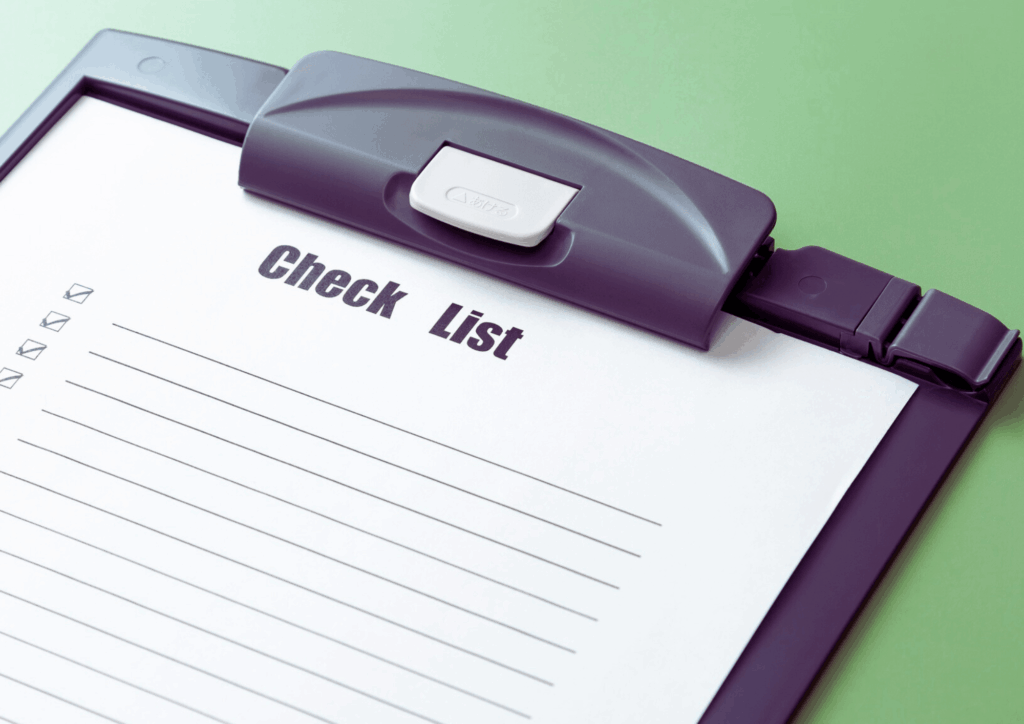
Your move-out checklist as an owner includes everything we’re talking about here.
Your tenants can benefit from their own checklist. When you create and share one, you can count on a move-out process that is smooth and stress-free. Take those move out instructions and create a checklist. This will be an excellent way for you and your tenants to remain organized. Here’s what it should include:
| You expect the rental property they are leaving to be completely empty. Provide instructions to move everything out before they leave. You don’t want to walk into the home after move-out and find cupboards full of food they forget to pack or a sleeper sofa in the living room that was too heavy to drag out. Inform your tenants, in their move out checklist, to ensure all closets, cupboards, cabinets, drawers, and outdoor spaces are empty. Let them know that anything left behind will be removed and the removal fee will be charged to their security deposit. | Pots and pans can show up in kitchens and we’ve opened a dryer to find a departing tenant’s recently cleaned laundry more than once. This can be a surprise during turnovers. Remind tenants to check inside the appliances when they’re cleaning out the home. We often see tenants forgetting that they had dishes in the dishwasher or food in the freezer. Ask your departing residents to clean out the microwave and wipe down the inside of the fridge. Have them run the dishwasher so it gets cleaned out. |
| What else do you need from tenants before they leave? Think about cleaning tasks. Ask them to wipe down faucets and knobs. Floors should be swept. If your home is carpeted, your lease agreement may require a carpet cleaning. Be sure to collect a receipt from the work from your tenants. It’s helpful to be specific. Tenants don’t want to guess what they should be doing and what they can leave. | Renting out a home to humans as well as pets? Include separate instructions for cleaning up after pets. A carpet cleaning will really be necessary if a tenant had pets. There may be dog or cat hair and other pet dander trapped in those fibers. Odors will need to be eliminated. |
Provide instructions on how keys should be returned. Be specific. Direct communication is absolutely necessary so your residents aren’t locking your keys inside of the house or walking off with the garage door opener.
Always ask for their forwarding address. Tenants are sometimes hesitant to share this, but explain that you’ll be mailing back the security deposit.
Pre-Move Out Inspections
Offering tenants a pre-move-out inspection is required by law.
Under California Civil Code §1950.5(f), landlords must inform tenants of their right to request a pre-move-out inspection, which can take place within two weeks of the lease’s end. While this may seem like an extra step in the turnover process, offering this inspection has significant benefits for both tenants and property owners. When approached correctly, it fosters transparency, protects your investment, and can help prevent costly disputes.
- Transparency That Builds Trust
Offering a pre-move-out inspection provides tenants with an opportunity to understand exactly what will be evaluated before they leave. This clarity helps manage expectations and minimizes surprises when it comes to security deposit deductions. It also shows tenants that the landlord or property manager is operating in good faith and values open communication. When tenants feel they are being treated fairly and with respect, they’re more likely to leave the home cleaner, following move-out guidelines more closely, and avoiding unnecessary conflict.
- An Opportunity for Repairs Before Departure
One of the greatest benefits of a pre-move-out inspection is giving tenants a chance to address issues before they move out. If the inspector identifies specific problems such as stains on the carpet, holes in the wall, or missing fixtures, tenants can choose to fix these themselves, often saving both parties time and money. It also helps avoid miscommunication about what constitutes “normal wear and tear” versus actual damage. This step can significantly reduce the number of contested deposit deductions and improve the quality of the unit’s condition at turnover.
- Compliance with California Law
California’s landlord-tenant laws are among the most comprehensive in the country, and not offering a pre-move-out inspection when required can lead to legal complications. Landlords must notify tenants in writing of their right to this inspection and provide at least 48 hours’ notice before entering the property. Failing to comply could hurt a landlord’s case if a tenant disputes security deposit charges in small claims court. A proper pre-move-out inspection, documented with notes, photos, and dated signatures, can serve as evidence that the process was handled transparently and in accordance with the law.
- Faster Turnover and Lower Vacancy Costs
If damage or cleaning issues are discovered after the tenant has vacated, property owners must then coordinate and pay for repairs themselves—often on a tight timeline to prepare the unit for the next occupant. When tenants are allowed the opportunity to address these items ahead of time, it speeds up the turnover process and can result in a rent-ready unit much sooner. That faster turnaround helps reduce vacancy periods and maintain consistent rental income.
California’s Assembly Bill 2801
Effective April 1, 2025, landlords must take clearly dated and time-stamped photographs of the property’s post-move-out condition prior to initiating any repairs or cleaning. Then, starting July 1, 2025, the law further requires landlords to document the condition at move-in, and again after any repair or cleaning work has been completed.
In addition, California law continues to require that within 21 calendar days of the tenant vacating, the landlord must provide an itemized statement of any deductions. This statement must be accompanied by documentation such as photos, receipts, or invoices if any individual charge exceeds $125.
Conducting Your Own Inspection

Whether there was a pre-move out inspection or not, once a tenant has vacated, you’ll want to inspect your property thoroughly. This will help you evaluate the condition and compare it to the condition of the home before tenants moved in.
During this inspection, you’ll encounter some wear and tear as well as property damage. It’s important that you understand the difference.
| Wear and Tear During the Move Out
Wear and tear repairs will be paid for by you, as the property owner. You cannot hold the tenant accountable for the deterioration that would have occurred at your property during any normal tenancy. Every home is prone to wear and tear, so tenants are not charged to make those repairs. |
Damage During the Move Out
Damage is different, and the financial responsibility of your tenant. You can hold them accountable by using their security deposit to pay for any damage they caused. |
Sometimes it’s hard to judge the difference between wear and tear and damage. If you did a thorough move in inspection, you should get some help determining what you’re looking at. The move in report documented the condition of your home before the tenants took possession. So, compare the condition then to the condition now. Inspect the photos and take new photos. What do they show? Keep those legal requirements in mind.
Moving On: Preparing to Re-Rent the Home
After the move-in process, a property owner or their management partner is tasked with taking care of the management of the property. This means rent collection and maintenance, among other things.
After a move-out, the goal is to prepare the property for a new tenant as quickly as possible.
Schedule your vendors right away. Once you know what you’re working with in terms of property condition and maintenance needs, don’t hesitate to schedule those vendors. You want to get them in and out as quickly as possible.
Hopefully, you have a team of excellent vendors who can work quickly to get the repairs made, the painting done, and your property ready to rent again.
It’s essential to have an accurate record of costs, so that if you’re charging the security deposit, you can establish what exactly your costs were.
Professional property managers like us play a key role in ensuring a smooth and efficient move-out process.
- With clear systems in place, we handle tenant communication, schedule pre-move-out inspections, document property conditions, and coordinate repairs or cleaning quickly.
- Our knowledge of the state and local laws ensures legal compliance, especially regarding security deposit returns and required documentation.
- By acting as a neutral third party, we reduce the risk of conflict, help tenants meet expectations, and minimize turnover time.
- Property managers also keep detailed records, which protect owners in case of disputes, ultimately making the transition seamless and stress-free for both landlords and tenants.
Let’s talk about taking care of move-outs properly. This checklist is a good place to start, but we can create a process that’s customized to the needs of you and your properties. Please contact us at Krystle Properties. We lease, manage, and maintain rental homes throughout the Greater Vallejo Area, including Benicia, Fairfield, American Canyon, Napa, and many other surrounding communities.
