


Let’s talk about winter.
Winter in Benicia, CA, and the greater Solano County area is typically mild, damp, and relatively short compared to other parts of the country. Located in Northern California near the edge of the San Francisco Bay, our part of the state experiences a Mediterranean climate with cool, wet winters and dry summers. From December through February, daytime temperatures usually range from the mid-50s to low 60s (°F), while nighttime lows can dip into the 40s. Frost is rare but not unheard of on especially cold mornings.
Rainfall is most common in the winter months, with occasional storms bringing steady showers and overcast skies. Snow is extremely rare at the low elevations of Solano County, though nearby hills might get dusting during colder weather systems. Despite the rain, many days remain partly sunny, and the area avoids the extreme cold or snow typical of more inland or northern regions.
What does this mean for your maintenance plans? If you’re renting out properties in this area, it’s important to be prepared for the winter weather and its effect on homes. While we don’t have to worry about any kind of deep freeze or dramatic drops in temperatures, we still want to be aware of what rain and colder days can mean for both your investment property and your tenants.
As property management experts, we approach our preventative maintenance schedules with a seasonable sensibility. We’ve talked about summer maintenance recently, and now we want to focus on winter and how you should be maintaining your rentals during these months.
Winter is also a quieter, slower-paced season in our area, and your tenants are looking for a cozy and comfortable living space. Good maintenance practices will ensure you’re providing that space.
We’ve put together a winter maintenance checklist for your rentals. Let’s take a look.
Checklist Items
|
Sealing Doors and Windows |
Roofing |
Heating |
|
Landscaping |
Dryer Vents |
Plumbing and Pipes |
Sealing Windows and Doors in Rental Homes
Sealing windows and doors is one of the most important and cost-effective steps rental property owners can take when preparing for winter. In colder months, even small gaps or cracks around windows and doors can let in cold air and moisture, leading to higher utility bills, increased wear on heating systems, and a less comfortable living environment for tenants.
From a maintenance perspective, unsealed openings can cause more than just a draft. Moisture intrusion is a serious concern in the winter, especially in Northern California regions that experience frequent rainfall or coastal humidity. When water enters through unsealed gaps, it can cause warped wood, mold growth, and rot, all of which sounds unpleasant and can also be expensive to repair. If any such problems are discovered, the rental home may become inhabitable. Over time, these seemingly minor issues can turn into major maintenance problems.
Properly sealing windows and doors also improves energy efficiency, which benefits both landlords and tenants. Tenants will appreciate lower heating costs and a consistently warm indoor environment, which in turn can increase tenant satisfaction and retention. For landlords who pay for utilities or want to maintain high energy-efficiency ratings, this simple step contributes directly to long-term cost savings.
Additionally, well-sealed windows and doors help keep pests out, especially rodents or insects seeking warmth during colder months.
Preventative measures include replacing worn weatherstripping, re-caulking edges, and ensuring door sweeps are intact. These tasks are affordable and easy to schedule as part of a winter maintenance visit by you or your maintenance team.
Is Your Roof Ready for the Rain?
 Inspecting a rental property’s roof before winter arrives is a critical and cost-effective step for property owners. While the region doesn’t typically face heavy snow, seasonal rainstorms, wind, and occasional hail can expose vulnerabilities in a roof that might otherwise go unnoticed during dry months.
Small issues like loose shingles, cracked tiles, or worn flashing can quickly escalate when winter storms hit. A minor leak can become a major water intrusion issue, leading to interior water damage, mold growth, ruined insulation, and even structural weakening. These problems are far more expensive and disruptive to fix than simply addressing a roof issue during a seasonal inspection.
- Proactively inspecting and maintaining the roof helps protect both the property and the tenant experience. It minimizes the risk of emergency repairs, which are not only costlier due to urgent labor needs, but also inconvenient for tenants, potentially leading to complaints or a choice to move out at the end of the lease.
- A roof inspection can also extend the overall life of the roof. Regular maintenance like sealing small cracks, replacing individual shingles, or clearing debris, helps prevent premature aging and puts off the need for a full roof replacement.
In Northern California’s varied microclimates (which we’ll talk about more later), this is especially important. Coastal winds, inland frost, and high rain volumes can all impact roof integrity differently, depending on location. By making roof inspections a standard part of your winter maintenance checklist, you can avoid expensive surprises, preserve your investment, and maintain a high standard of safety and comfort for tenants. All of this also keeps long-term maintenance costs lower.
Inspecting and Servicing the Heating System
Making HVAC inspections a regular part of a winter maintenance checklist is essential, especially when it comes to ensuring that heating systems remain reliable, efficient, and safe throughout the colder months. We are fortunate in the type of winters we typically experience; there aren’t any blizzards or deep freezes to worry about. But winter temperatures can drop significantly, particularly in inland areas of Solano County, and tenants expect and rely on consistent indoor warmth. A malfunctioning or inefficient heating system not only creates discomfort but can lead to tenant dissatisfaction, maintenance emergencies, and even legal issues if habitable conditions are not maintained.
Let’s keep your rental property warm.
|
Warmth Winter is when heating systems work the hardest, and without routine inspections, small issues can quickly escalate into major repair problems. Dirty filters, faulty thermostats, and worn-out components reduce the system’s efficiency and increase the likelihood of mid-season breakdowns. These breakdowns are often more expensive and difficult to address during peak winter months when HVAC contractors are in high demand. |
Energy Efficiency By conducting an inspection before cold weather sets in, you have the opportunity to identify and resolve issues early, whether it’s replacing air filters, clearing vents, testing carbon monoxide levels, or servicing pilot lights. A well-maintained system not only heats more effectively but also reduces energy consumption, which benefits tenants paying their own utility bills and owners managing all-inclusive rentals. |
Proactive HVAC care also protects the long-term value of the property by extending the life of the system. Regular servicing reduces wear and tear, ensures compliance with local building codes, and shows tenants that their comfort and safety are a priority. As property managers, we know that routine HVAC inspections aren’t just preventative. They’re actually strategic, reducing the risk and the hassle of unexpected emergency calls, cutting down on energy waste, and contributing to tenant satisfaction and lease renewals.
Instead of waiting for a problem with your property’s heat to make tenants uncomfortable, be proactive. Make these service inspections a priority. They’re a smart investment for any rental property owner.
Prioritize Landscaping Maintenance on your Winter Checklist
 Are you thinking that landscaping is a warm weather task that belongs on your summer maintenance checklist instead of your winter checklist? We like to inspect and update the landscaping at the shift of every season.
Landscaping plays a crucial role in winter maintenance for rental property owners, especially when it comes to tree care and branch removal. As property managers, we are always preparing for seasonal rainstorms and strong winds, knowing that they can turn overgrown or unhealthy trees into serious liabilities.
- Overhanging branches near roofs, fences, power lines, or walkways pose a significant risk during storms.
- Heavy rainfall can saturate tree limbs, making them more prone to breaking and falling. If a branch falls on a roof, it can puncture shingles, break tiles, or damage gutters, leading to water intrusion, costly emergency repairs, and potential disruption to tenants.
- In worst-case scenarios, falling branches can block access to the home, damage parked vehicles, or even injure someone living at or visiting your rental property.
Removing weak or overextended branches before storm season not only helps protect the structure but also contributes to tenant safety and property aesthetics. Proactive trimming keeps branches clear of windows and utility lines, improves sunlight exposure around the home (which helps dry out damp areas), and reduces the risk of pests nesting in overgrown foliage near the property.
This preventative measure is also far more cost-effective than emergency tree removal or repairing storm-related damage. By hiring a licensed arborist or landscaper in advance, rental property owners can avoid high post-storm service fees and minimize their liability risks.
Ultimately, regular winter landscaping, including branch removal, is about protecting the property investment and ensuring the home remains safe and livable during the cooler, wetter season. It’s a smart, preventative step that should be on every rental property owner’s winter maintenance checklist.
Dryer Vent Cleaning Can Prevent Fires
It’s less likely that tenants will use clotheslines or dry their laundry outside during the winter.
If you provide washing machines and dryers in your rental property, cleaning the dryer vent is a maintenance task that’s easy to forget.
That’s why we put it on our winter maintenance checklist.
The risk of lint buildup increases significantly as the dryer is used more frequently, and most people fail to realize what a fire hazard this can become. Without regular cleaning, this buildup can lead to reduced appliance efficiency, higher energy bills, and fire hazards.
Lint is highly flammable, and clogged vents are one of the leading causes of residential dryer fires. In a rental property setting, this risk is compounded by the fact that landlords may not know how well tenants are maintaining the appliance. By making annual dryer vent cleaning a routine part of winter prep, landlords take an important step toward protecting their investment and ensuring tenant safety.
Beyond fire prevention, a clean dryer vent allows the appliance to run more efficiently. A clogged vent can cause dryers to overheat or take longer to dry clothes, leading to excessive wear on the appliance and increased utility costs, especially problematic in properties where the landlord covers those expenses.
This simple preventative measure also extends the life of the dryer, reduces the chance of unexpected repairs, and improves tenant satisfaction by ensuring appliances function properly during the busy winter months. Whether performed by your own maintenance staff, your property management partner, or a professional service, dryer vent cleaning is a small but powerful task that belongs on a winter maintenance checklist.
Plumbing and Pipe Insulation
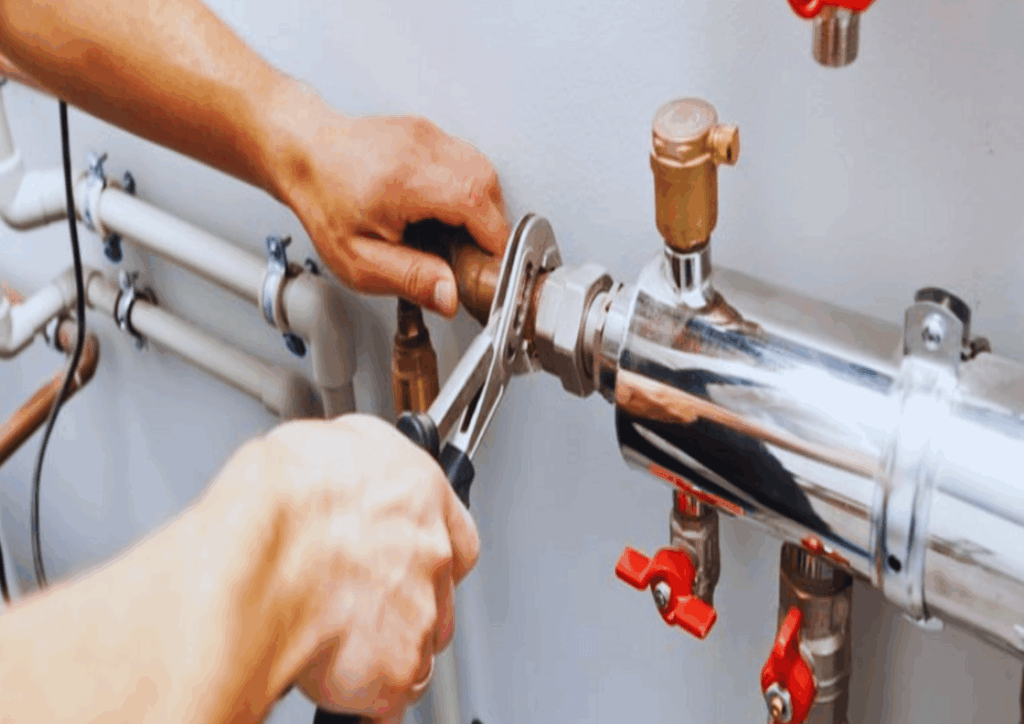
Winter temperatures can dip low enough in some areas to pose a risk to exposed plumbing systems, especially in older rental properties or those located in higher elevations. That’s why insulating pipes and thoroughly inspecting plumbing should be a key part of any winter maintenance checklist. Preventing frozen pipes is not just a matter of convenience, it’s a critical step in avoiding costly water damage and emergency repairs that can disrupt both tenants and property owners.
- Pipe insulation, we have found, is a simple and affordable solution.
- We recommend property owners focus on areas where pipes are most vulnerable, such as crawl spaces, basements, garages, and exterior walls.
- Foam insulation sleeves, heat tape, or even thermal blankets can go a long way in protecting these pipes from freezing conditions.
- For outdoor plumbing, including hose bibs and irrigation systems, shut off water supply lines and drain them before the first cold snap.
- In addition to insulating, a proactive plumbing inspection is essential for seasonal inspections and repairs. Check for signs of leaks, corrosion, or blockages that could worsen in cold weather. A licensed plumber can ensure water heaters are functioning efficiently, assess water pressure levels, and inspect sump pumps or back-flow preventers where applicable.
- By insulating pipes and performing a seasonal plumbing check, you’ll safeguard their investment and reduce the risk of winter emergencies. Tenants, in turn, benefit from uninterrupted service and added peace of mind.
Mold prevention is another part of plumbing maintenance.
As tenants turn up the heat and windows remain closed, moisture can accumulate in areas with poor ventilation, especially where plumbing systems are present, such as bathrooms, kitchens, basements, and laundry rooms. Left unchecked, excess humidity combined with minor plumbing issues like leaks or condensation can quickly lead to mold growth, which can damage property and negatively impact indoor air quality.
Mold thrives in moist, dark environments, and leaky pipes or poor drainage systems provide the perfect breeding ground. You want to routinely inspect plumbing fixtures, under-sink cabinets, water heater closets, and crawl spaces for signs of moisture. Catching small leaks early and repairing them promptly can prevent the need for costly mold remediation later on. Insulating cold water pipes is also important, as it prevents condensation from forming on the pipe’s surface and dripping onto floors or inside walls.
Ventilation is another key strategy to keeping indoor air healthy and your rental property free of mold. Ensure that your exhaust fans in bathrooms and kitchens are functioning properly and being used by tenants. In some properties, installing dehumidifiers or moisture sensors in problem-prone areas can provide added protection.
Proactively addressing mold prevention not only protects the property’s structural integrity but also supports tenant health and satisfaction. Tenants appreciate clean, dry living environments, and as the property owner, you’ll benefit from reduced maintenance costs and fewer complaints. As property managers, we are always driving home the message that mold prevention should always be part of comprehensive winter plumbing care.
|
Microclimates Northern California is known for its diverse microclimates, and Solano County is a prime example. Our specific area is between the San Francisco Bay and the Central Valley, so the region experiences a unique blend of coastal, valley, and inland weather patterns. Sometimes, all within a single day. This variation directly impacts how rental property owners should approach seasonal maintenance, especially in the winter. In western Solano County, cities like Benicia and Vallejo often feel the effects of cool marine air from the Bay. These areas may experience milder winters, with more fog, wind, and humidity, which can lead to moisture buildup and potential mold issues if properties are not properly ventilated and sealed. Properties here should be checked for water intrusion around windows and roofs, and HVAC systems should be optimized to manage humidity. In contrast, central and eastern parts of the county, such as Fairfield, Vacaville, and Dixon, lie farther inland and tend to have cooler nights, occasional frost, and heavier rainfall during winter months. In these microclimates, landlords should prioritize insulating pipes, clearing gutters, and trimming trees to protect against storm damage and cold snaps. Because weather conditions can shift dramatically within just a few miles, property owners in Solano County must take a localized, proactive approach to winter maintenance, customizing their checklist to the specific microclimate of each property location. |
This is how we effectively maintain rental properties during the winter months. If you have any questions or need any help, please contact us at Krystle Properties. We lease, manage, and maintain rental homes throughout the Greater Vallejo Area, including Benicia, Fairfield, American Canyon, Napa, and many other surrounding communities.
