




We don’t have to tell you that keeping your rental properties in top shape is essential for maintaining their value and ensuring tenant satisfaction throughout the lease agreement. You know this.
While regular upkeep is a given, seasonal maintenance plays a meaningful role in prolonging the life of your property and preventing costly repairs from year to year and tenancy to tenancy. Each season brings its own set of challenges, from rain to drought to cooling temperatures and intense heat.
This part of California enjoys temperate weather, most of the year. But a seasonal maintenance schedule and help you understand what needs attention throughout the year.
As we explore why seasonal maintenance must be a priority for every rental property owner, we will focus here on spring. When you think about spring cleaning, think about giving your rental property a bit of shine and sparkle.
All of this is because a little proactive maintenance and a lot of deep cleaning during the spring can save you a lot of money and frustration in the future.
Spring in Solano County
We mostly manage properties in Benicia, Fairfield, American Canyon, and surrounding communities. We can tell you that spring in Solano County, California, is a season of vibrant transformation. Residents here are watching the region shed the cooler shades of winter in favor of warming sunshine and blossoming plant life.
Situated in the heart of the Bay Area, Solano County enjoys a Mediterranean climate, with mild, wet winters and hot, dry summers. As spring unfolds, temperatures gradually rise, typically ranging from the mid-60s to low 80s°F, offering a perfect balance between warmth and coolness, particularly in the mornings and evenings.
What do we love about it? Wildflowers are beginning to bloom across the rolling hills of the county. Fields of mustard flowers, poppies, and lupines burst into color, creating a scenic contrast against the bright green grass that typically grows in quickly after a season of rains. Vineyards in areas like Suisun Valley and the southern part of Napa County see the early growth of grapevines, signaling the start of another wine-growing season.
Spring brings a sense of renewal, and that should extend to your rental property.
Spring Cleaning Matters
This is the best time of year to get your maintenance work done and your upgrades put into place. We say this mostly because of the weather but also because you’ll find it’s easier to find a vendor now than it might be later. You don’t want to be standing in line to have an HVAC tech come out on the hottest day of August. By taking care of these things now, in the spring, you can anticipate fewer breakdowns and maintenance calls as summer and its heat arrives.
Unlike areas that face harsh winters, the rental properties we typically manage do not have to worry about recovering from snow and ice. But there is the matter of consistent sun exposure, sudden switches between dry and rainy conditions, and even occasional storms. Over time, these elements can deteriorate your investment property.
But with a spring cleaning checklist, you’re taking proactive measures to extend the lifespan of your investment properties, keep your residents happy, and even improve the curb appeal of your rental.
Spring cleaning isn’t just about aesthetics. For us, it’s also about ensuring your property is safe, fully functional, and ready to attract and retain the best residents.
Spring HVAC Maintenance
Prioritize Cleaning, Servicing, and Inspecting Before the Heat Hits
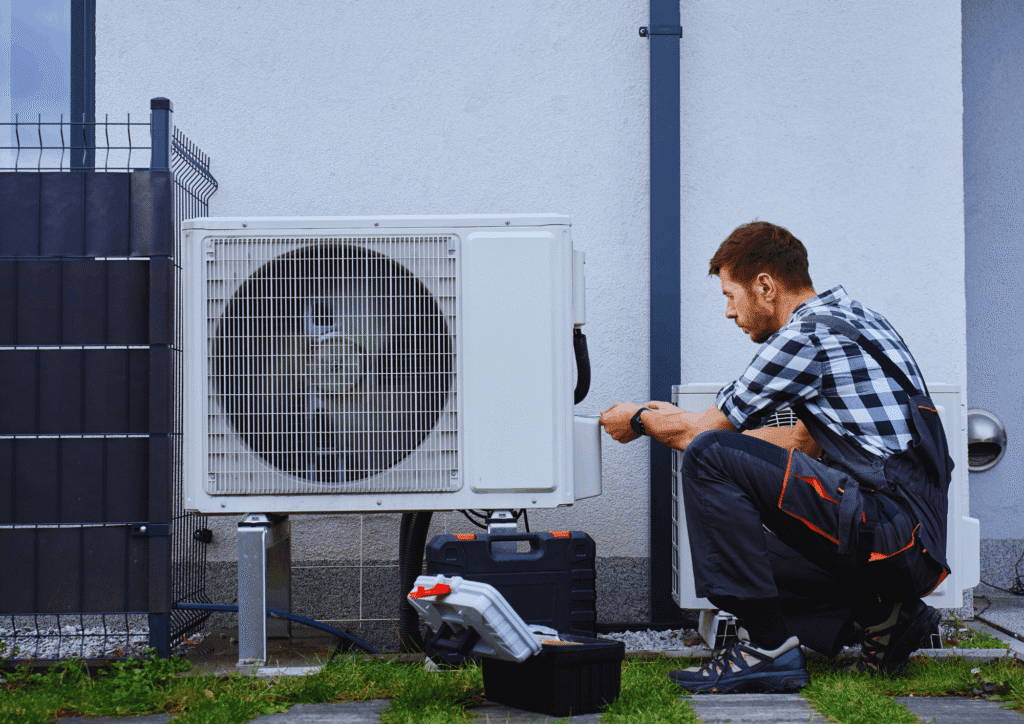
As the temperatures begin to rise and the days grow longer, spring is the perfect time to perform preventive maintenance on one of the most crucial systems in your rental property. We’re talking about the HVAC system, and the need to inspect and maintain it before the summer heat kicks in. The air conditioning units, in particular, will need your full attention.
Ensuring that the HVAC systems are clean, serviced, and fully operational before the A/C is needed can save you significant headaches and expenses later in the year. If you’re already working with an HVAC technician, great. Schedule your annual inspection and service. Otherwise, find yourself a reliable vendor who can do this for you. We work with some of the best in the area, so reach out for a referral if we can help.
Here’s why it’s essential to make HVAC maintenance a priority during the spring months.
| Avoid Emergency Repairs During Peak Season
Air conditioning units work the hardest during the summer months, often under extreme conditions. If an issue is brewing in your system, and that could be a clogged filter, a sneaky refrigerant leak, or even a failing compressor, you must know that waiting until the first 90 degree day hits could result in an emergency breakdown. HVAC repair companies are often in high demand during peak summer, leading to longer response times and potentially more expensive repairs. By scheduling a thorough inspection and servicing in the spring, you can address any potential issues early, ensuring the system runs smoothly when it’s needed most. |
Increase Efficiency and Lower Energy Costs
Regular cleaning and servicing can significantly increase the efficiency of HVAC systems. Dust, dirt, and debris is likely to build up in your unit over time, especially in the ducts and coils. This can obstruct airflow and cause the system to work harder to cool the space, leading to higher energy bills. A simple spring cleaning, which likely includes changing filters, cleaning condenser coils, and ensuring proper airflow, can improve the unit’s efficiency, helping your tenants stay cool without costing you money on emergency calls. As a landlord, it’s in your best interest to keep energy costs manageable, as this contributes to tenant satisfaction and can even make your rental property more attractive to prospective tenants. |
| Extend the Lifespan of Your HVAC System
HVAC systems are a significant investment, and like any investment, proper maintenance is key to extending their lifespan. Servicing your system in the spring can help prevent small issues from snowballing into costly replacements. Technicians typically inspect components such as the thermostat, condensate drain, and refrigerant levels. They can spot signs of wear and tear that, if left unchecked, might lead to system failure down the line. A well-maintained system can easily last 15 years or more, whereas neglecting maintenance could shorten its lifespan, resulting in expensive replacements and downtime. |
Improve Indoor Air Quality
A clean HVAC system isn’t just about comfort for your residents, it’s also about their health. Air conditioning systems that aren’t regularly serviced can accumulate dust, mold, and other allergens in the ducts. These pollutants can affect your tenants’ health and well-being, particularly those with allergies or respiratory conditions. By servicing your system in the spring, you can ensure the air circulating throughout your rental properties is clean and free from harmful contaminants, promoting a healthier living environment for your tenants. |
Enhance Tenant Satisfaction and Retention
You might not think HVAC maintenance has anything to do with tenant happiness.
But it does. And happy tenants are the key to long-term rental success. Providing tenants with a well-maintained HVAC system ensures they have a comfortable living space, which can directly impact their satisfaction. By taking proactive steps to ensure the air conditioning is ready to go before summer arrives, you show your tenants that you care about their comfort and well-being. A little effort in the spring can go a long way in improving tenant retention, reducing turnover, and creating positive reviews, which can be valuable for marketing your rental property in the future.
Roofing and the Exterior of Your Rental Property
 Spring is the perfect opportunity to not only tackle regular maintenance but also inspect and protect key exterior components of your rental property. While cleaning the interior may seem like the main focus, don’t forget the roof, gutters, and other exterior elements that can have a big impact on your property’s longevity and tenant satisfaction.
- Start with the Roof
Your roof is one of the most important aspects of your rental property, and ensuring it’s in good shape can save you from expensive repairs that could arise without any warning. Have the roof inspected for any visible signs of damage. Your roofer should be looking for missing or cracked shingles, broken tiles, or areas where water damage may have occurred. Small leaks can turn into major problems if not caught early, potentially causing significant damage to the interior of the property. Don’t forget to check the flashing around chimneys, vents, and skylights, as these areas are prone to leaks if not properly sealed.
- Clean and Maintain Gutters and Downspouts
Gutters are a vital part of your rental property’s water management system. When gutters are clogged with leaves, twigs, and debris, rainwater can overflow, leading to foundation damage, mold, or even erosion around the property. Spring is the perfect time to clean out gutters and downspouts to ensure proper water flow. This simple task can prevent significant damage that occurs when water is able to enter the property. At this point, check for any signs of sagging gutters or loose downspouts that could need repair or replacement. Consider installing gutter guards to help reduce the frequency of cleaning and prevent debris buildup in the future.
- Inspect Siding, Trim, and Windows
The exterior of your rental property is the first thing tenants and potential renters will see. So, it’s essential to clean and maintain the siding, trim, and windows. Examine the siding for cracks, peeling paint, or signs of mold or mildew. If you have wooden siding, ensure it’s sealed and painted regularly to prevent weathering. Vinyl or aluminum siding may need a good pressure wash to remove grime and dirt that has accumulated during the winter months.
This is also a good time to check for any issues with window seals and caulking. Gaps or cracks in window frames can lead to air leaks, increasing heating or cooling costs. Reapply caulk where necessary to keep the building well-insulated and prevent water from seeping in during heavy rains.
- Landscaping and Exterior Repairs
Landscaping contributes to the overall exterior appearance of your rental property. Trim overgrown bushes, cut back tree branches, and remove any debris around the foundation to prevent pests and ensure proper airflow. A well-kept yard can improve the property’s curb appeal, making it more attractive to tenants.
Additionally, inspect the driveway, walkways, and porch for any cracks or uneven surfaces that could pose a safety risk to tenants. Spring is a great time to patch up minor cracks before they turn into larger, more costly repairs.
- Protect Against Future Damage
After completing these inspections and repairs, consider protecting the property from future weather-related issues. Apply a waterproof sealant to decks and fences, inspect exterior lighting for wear and tear, and ensure outdoor drains are functioning properly.
By using spring cleaning time to inspect and protect your roof and exterior elements, you’ll not only preserve the value of your rental property but also provide tenants with a safer, more comfortable living environment. It’s worth your time and resources.
Safety First: Spring Cleaning Protects Tenants
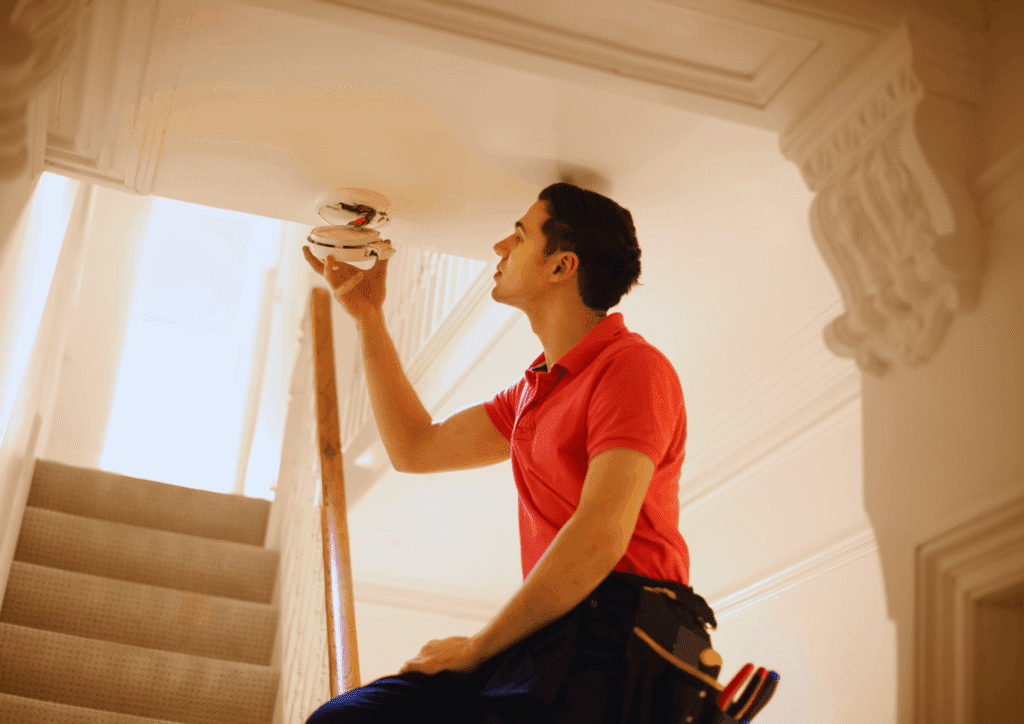
Spring cleaning presents an excellent opportunity to focus on something equally important: the safety features in your rental homes.
Safety should always be a priority for landlords and property owners, and regular maintenance checks are vital. The spring cleaning period offers a natural reminder to test and maintain key safety features like smoke detectors, carbon monoxide detectors, fire extinguishers, and more.
Here’s how you can use this time to ensure that your rental property is safe for your tenants and unlikely to create any unnecessary risks or liabilities for you.
- Smoke Detectors and Carbon Monoxide Detectors
Smoke detectors and carbon monoxide detectors are your first line of defense when it comes to keeping your tenants safe. They’re also a legal requirement.
As a landlord, it’s your responsibility to ensure that these devices are functioning properly and in compliance with local laws.
Start by testing all the smoke detectors in the property. Press the “test” button on each unit to ensure the alarm sounds. If a detector doesn’t work, replace the battery or the unit entirely. While you’re at it, check the expiration date of the devices—smoke detectors typically need to be replaced every 10 years.
Carbon monoxide detectors are equally crucial, especially if the property uses gas appliances, a fireplace, or has an attached garage. These detectors should also be tested and replaced if necessary.
Make sure the detectors are installed in the proper locations—usually near bedrooms and in hallways, as well as close to any potential sources of carbon monoxide.
- Fire Extinguishers
Next, check the fire extinguishers in the property. Ensure they are easily accessible, fully charged, and not expired. Fire extinguishers should be placed in key areas like the kitchen, near any heat such as a furnace or a fireplace, and on each floor of your rental home. Take a quick look at the pressure gauge to make sure it’s in the green zone, and examine the pin and nozzle for any signs of damage. If the extinguisher is old, missing, or not functional, replace it immediately.
- Electrical Safety
Electrical issues are a leading cause of house fires, so spring cleaning is a great time to inspect the property for potential hazards. Check the circuit breakers and ensure they’re labeled correctly. Examine all outlets for signs of wear or damage. If any outlets are loose, short-circuiting, or spark when used, it’s time to have a licensed electrician make repairs.
- Escape Routes and Emergency Exits
Ensure that all emergency exits, windows, and doors are accessible and functional. Clear any debris from fire escape routes and check that windows can be easily opened in case of an emergency. If you’re renting out a multi-family property with a fire escape or a secondary exit, ensure that it’s not obstructed and remains in good working order.
It’s also a good idea to verify that tenants are familiar with emergency procedures, such as how to exit the home safely and where to meet in case of a fire. This can be an opportunity to include safety instructions in the lease agreement or post them in common areas.
- Tenant Communication
Once you’ve completed these checks, inform your tenants about the maintenance you’ve done and remind them of their own responsibilities. Encourage them to keep smoke detectors clean and report any issues with safety features. By being proactive, you can prevent small problems from turning into big safety hazards.
Spring cleaning presents a number of opportunities to keep both your property and your tenants safe. Seasonal maintenance can keep you organized and ensure that nothing is missed throughout the year. Spring is an especially busy season as we prepare for our busy summers.
We have seasonal policies and recommended maintenance and cleaning procedures in place for the properties we professionally manage. If you’d like to learn more about them, let’s get in touch. Please contact us at Krystle Properties. We lease, manage, and maintain rental homes in Benicia, and we also work in surrounding areas such as Vallejo, American Canyon, and Fairfield.
