



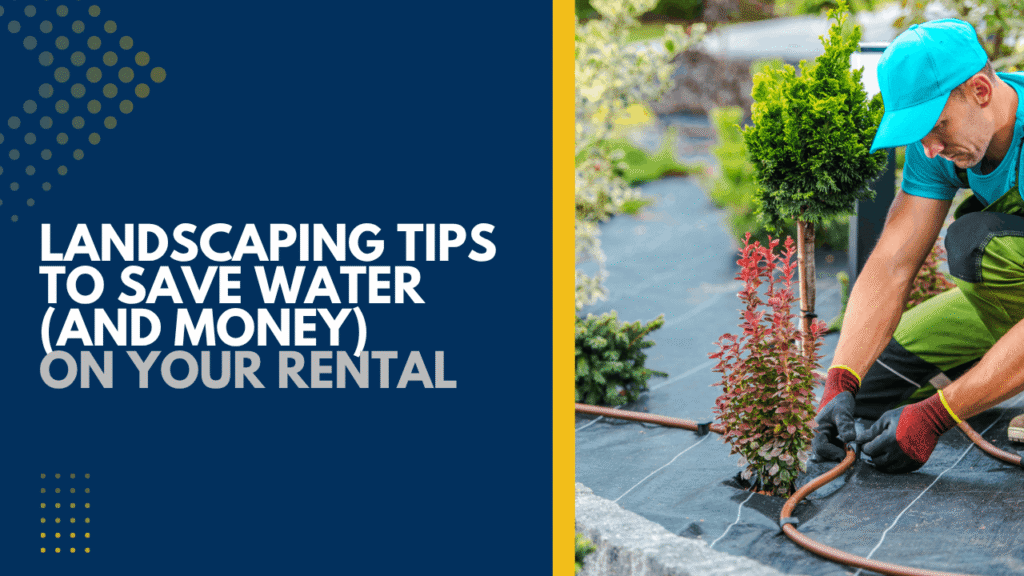
How often do you think about water?
If you’re renting out a property in Solano County, California, this is something that should cross your mind routinely. We’re subject to frequent drought conditions which require water conservation. Saving water is responsible and required. It’s also cost-effective when it comes to making your investment property operationally efficient.
As professional property managers in Solano County, we like to focus on balancing curb appeal with practical operating costs.
Landscaping can play a major role in both.
Attractive outdoor spaces help make a property more appealing to prospective tenants, but traditional lawns and water-heavy plants can quickly increase utility bills, especially during California’s warmer months.
For rental property owners, the goal is landscaping that:
- Looks good
- Requires minimal upkeep
- Uses water efficiently
Smart choices in plant selection, irrigation systems, and yard design can significantly reduce water usage while keeping the property visually appealing.
So, let’s dive into this topic. We want to cover practical landscaping strategies that help Solano County landlords conserve water, lower maintenance costs, and create outdoor spaces that remain attractive to tenants year-round.
Quick Summary:
|
What’s Up with Water and Solano County?
Water conservation has become an increasingly important issue for property owners in Solano County over the past two decades. Like much of California, the region has experienced repeated drought cycles that have placed pressure on local water supplies and led to stronger conservation efforts.
- Prolonged dry periods, particularly during the early-to-mid 2010s and again in the early 2020s, highlighted how vulnerable water resources can be during extended drought conditions.
- Local water supplies depend heavily on regional sources such as Lake Berryessa and waterways connected to the Sacramento–San Joaquin Delta. During drought years, lower reservoir levels and reduced river flows can limit available water, making conservation an important priority for both residents and local governments.
- Cities throughout Solano County have implemented conservation programs designed to reduce unnecessary water use, particularly when it comes to outdoor irrigation.
- Landscaping is one of the largest sources of residential water consumption, which means even small improvements in irrigation efficiency or plant selection can have a meaningful impact.
For rental property owners, these conditions make water-smart landscaping especially valuable. Reducing outdoor water use not only supports regional conservation efforts but can also lower operating costs and help properties remain compliant with local water-use guidelines.
Landscaping is often treated as an aesthetic feature of rental homes, but in regions like Solano County, California, it serves a much more critical role.
With periodic droughts, rising utility costs, and increasing environmental awareness among tenants, thoughtful landscape design has become a practical strategy for conserving water, reducing expenses, and improving property appeal. For landlords and property managers, investing in water-efficient landscaping is not simply a cosmetic improvement. We see it as a sustainability initiative that can directly impact operating costs and tenant satisfaction.
Landscaping as a Major Driver of Residential Water Use
Outdoor landscaping accounts for a substantial portion of residential water consumption across California.
- Traditional lawns, ornamental turf, and water-intensive plants require frequent irrigation to remain green and healthy.
- In many homes, more than half of residential water usage can go toward maintaining lawns and outdoor landscapes in dry climates.
- This is particularly relevant in Solano County, where hot, dry summers and periodic drought conditions make water management a priority.
When rental properties rely on conventional turf landscaping, irrigation systems often run frequently throughout the summer months. This drives up water consumption and can significantly increase utility bills, which are costs that may be borne by landlords or tenants depending on the lease structure.
Replacing traditional landscaping with water-efficient alternatives can reduce landscape water use dramatically. Xeriscaping can reduce outdoor water usage by roughly 50–75 percent compared with traditional lawns.
What are those alternatives?
- Xeriscaping
- Drought-tolerant plantings
- Drip irrigation systems
For rental property owners, this reduction translates into immediate operational savings and long-term sustainability benefits.
The Growing Importance of Water Conservation in Solano County

We have discussed it already: California has long faced cycles of drought and water restrictions. In response, state and local agencies have implemented policies that encourage water-efficient landscape design. Solano County, for example, requires many new or renovated landscape projects to follow water-efficiency standards and obtain approval if the project meets certain size thresholds.
| Why Restrict Water?
These regulations aim to ensure that landscaping projects incorporate responsible irrigation practices and climate-appropriate plants. By requiring compliance with water-efficiency guidelines, local governments are promoting a shift away from traditional lawns toward more sustainable landscapes. |
Are There Benefits?
Yes. At the same time, local water agencies provide financial incentives to encourage property owners to adopt water-efficient landscaping. Programs in Solano County offer rebates for homeowners or property managers who replace lawn areas with sustainable landscaping, allowing property owners to recover part of their initial investment. Programs like these demonstrate that water conservation is not only an environmental priority but also an economic opportunity for landlords who invest in improved landscaping. |
Reducing Utility Costs for Landlords and Tenants
Water-efficient landscaping offers one of the most direct financial benefits for rental properties: lower utility bills. Traditional lawns often require:
- Frequent watering
- Fertilizer applications
- Mowing
- Maintenance
Each of these factors contributes to ongoing operating costs.
Drought-tolerant landscaping significantly reduces these expenses. With plants that are naturally adapted to the local climate, irrigation requirements drop dramatically, and many properties can switch to drip irrigation or timed watering systems that minimize waste. Lower irrigation needs directly translate into lower water bills.
Beyond water savings, maintenance costs also decrease.
- Native and drought-resistant plants typically require less mowing, trimming, fertilizing, and pest control.
- Over time, this reduction in maintenance can save property owners substantial amounts in landscaping services and supplies.
- While water-efficient landscaping may require an upfront investment during installation, the long-term financial return is often favorable.
- Reduced water consumption and maintenance costs can offset installation expenses within a few years, especially in regions where water rates continue to rise.
For landlords who manage multiple rental units, these savings can add up quickly and significantly improve the overall profitability of their properties.
Enhancing Property Value and Marketability
It’s more than environmentalism. It’s more than saving money on water bills, even.
Beyond sustainability and cost savings, landscaping plays a crucial role in shaping a property’s curb appeal.
| First Impressions
When potential tenants view a rental home, the outdoor environment is often their first impression. Well-maintained landscaping creates an inviting atmosphere that signals care, quality, and attention to detail. |
| Competitive Advantages
Sustainable landscaping does not mean sacrificing beauty. In fact, drought-tolerant gardens can be visually striking, incorporating native plants, ornamental grasses, decorative rock features, and shaded seating areas. These elements can create a modern and attractive outdoor space that differentiates a property from others on the rental market. |
| Higher Property Values
Research and industry experience consistently show that attractive landscaping can increase property value and appeal to prospective residents. Environmentally conscious tenants are particularly drawn to properties that demonstrate sustainability through features such as water-efficient landscaping. |
In competitive rental markets like Solano County, these features can make a property stand out in online listings and property tours.
Meeting the Expectations of Eco-Conscious Tenants
 Tenant expectations have evolved significantly over the past decade.
Many renters, especially younger demographics, prioritize sustainability when choosing housing. Features such as energy-efficient appliances, solar panels, and environmentally responsible landscaping are becoming increasingly desirable.
Water-efficient landscaping aligns with these preferences by demonstrating a commitment to environmental stewardship.
- Landscapes designed with native plants and reduced irrigation not only conserve water but also support local ecosystems.
- Sustainable landscaping can provide habitat for native birds, pollinators, and wildlife while reducing chemical runoff from fertilizers and pesticides.
For tenants who value environmental responsibility, living in a property with sustainable landscaping can enhance their sense of connection to the local environment.
Additionally, tenants often appreciate landscapes that require less personal maintenance. Many renters prefer low-maintenance outdoor spaces where they can relax rather than spend time mowing or watering lawns. Drought-tolerant landscaping provides exactly that; attractive outdoor areas that remain visually appealing with minimal upkeep.
Reducing Tenant-Landlord Conflicts Over Water Use
Have you ever encountered a tenant who was determined to water the lawn despite the restrictions in place or the demands of your lease agreement?
Or perhaps you’ve had tenants who were unwilling to maintain a lush green lawn that you were especially proud of?
Another advantage of water-efficient landscaping in rental homes is the reduction of potential conflicts between landlords and tenants over water usage. In many rental agreements, tenants are responsible for paying water bills or maintaining the yard.
Traditional lawns can create tension in these arrangements. If tenants reduce watering to save money, the lawn may deteriorate. Conversely, if they follow landscaping expectations and water frequently, their utility bills can become significantly higher.
Water-efficient landscaping helps eliminate this dilemma. Because drought-tolerant plants require far less irrigation, tenants do not face the same financial burden when maintaining the yard. This reduces the likelihood of disputes and helps preserve the condition of the landscape throughout the lease term.
By designing outdoor spaces that naturally require less water and maintenance, landlords create a more manageable system for both parties.
Environmental Benefits Beyond Water Savings
Water conservation is the most obvious environmental benefit of sustainable landscaping, but it is not the only one. Water-efficient landscapes contribute to healthier ecosystems and reduced environmental impact in several ways.
- First, native plants are better adapted to the local climate and soil conditions. This means they require fewer chemical fertilizers and pesticides to thrive. Reduced chemical use lowers the risk of runoff that can contaminate local waterways.
- Second, drought-tolerant landscapes often include mulch, permeable soil, and ground cover that improve soil health and reduce erosion. These features help retain moisture in the soil and promote natural water absorption.
- Third, sustainable landscaping can support biodiversity by providing habitats for pollinators and native wildlife. Plants selected for their compatibility with the local ecosystem create a balanced environment that benefits both the landscape and surrounding natural areas.
For communities like those we manage in Solano County, these environmental benefits contribute to broader regional sustainability goals.
Practical Landscaping Strategies for Rental Properties
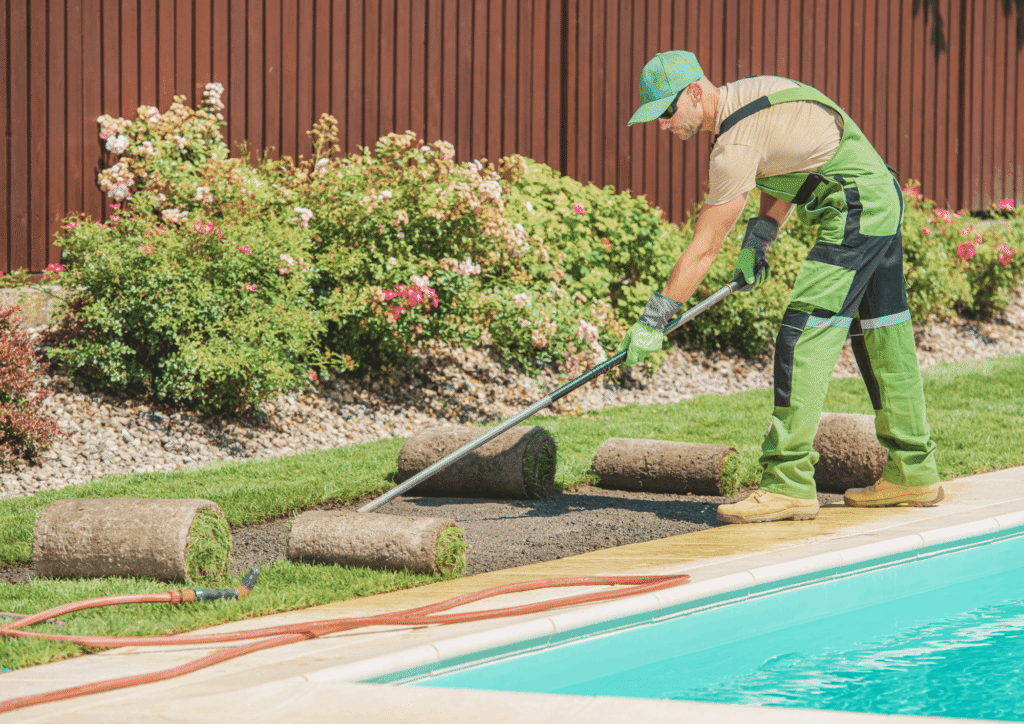
Now that we understand the importance of and benefits to saving water with your rental property landscaping, how exactly is that done?
We’re here to show you.
Implementing water-efficient landscaping does not require a complete redesign of a rental property’s outdoor space. Many property owners begin with gradual improvements that deliver immediate benefits.
Some effective strategies include:
- Replacing turf with drought-tolerant plants that require minimal irrigation. Olive trees or California redbuds are easy and affordable.
- Installing drip irrigation systems that deliver water directly to plant roots and reduce evaporation.
- Using mulch and ground cover to retain soil moisture and suppress weeds. Wood chip mulch is best for most properties, and we also like bark mulch for its decorative purposes.
- Selecting plants that naturally thrive in the Solano County climate. Consider California poppy or California fuchsia. Douglas iris and yarrow work well, too.
- Incorporating hardscape features such as decorative rocks, pathways, and patios that reduce the amount of irrigated landscaping.
Each of these strategies contributes to a landscape that is both visually appealing and environmentally responsible.
Frequently Asked Questions from Owners and Tenants
When it comes to after-friendly landscaping, these are the questions we most frequently hear from tenants and from owners.
Q: Will drought-tolerant landscaping make the yard look plain or unattractive?
A: Not at all. Many drought-tolerant and native plants used in Solano County are actually very colorful and visually appealing. Plants like California poppies, lavender, salvia, and ceanothus provide bright blooms and interesting textures throughout the year. With thoughtful design, drought-friendly landscapes can look modern, vibrant, and well maintained while still using far less water than traditional lawns.
Q: How does water-efficient landscaping help reduce costs for tenants or owners?
A: Water-efficient landscaping typically requires far less irrigation than traditional grass lawns, especially during Solano County’s hot, dry summers. This helps lower monthly water bills and reduces the need for frequent yard maintenance. For property owners, it can also mean fewer landscaping expenses over time. For tenants who pay utilities, it helps keep water costs more manageable.
Q: Do drought-tolerant plants still need watering?
A: Yes, especially when they are first planted. Most drought-tolerant plants need regular watering during their first year while their roots become established. After that, they generally require much less water and can often thrive with minimal irrigation. Proper mulch, soil preparation, and drip irrigation systems can also help retain moisture and keep plants healthy with less watering.
If you’re wondering where to find a landscaper or a lawn care professional who can focus on drought-tolerant yards and attractive outdoor spaces that don’t use too much water, we can make some recommendations.
Long-Term Value for Solano County Rental Property Owners
For landlords, landscaping is often viewed as an operational expense. However, when approached strategically, it becomes a long-term investment that enhances both financial performance and tenant satisfaction.
- Water-efficient landscaping reduces utility costs, decreases maintenance requirements, and increases the attractiveness of a property to prospective renters. At the same time, it aligns with regional conservation goals and environmental regulations.
- Programs that provide financial incentives for landscape conversion further strengthen the economic case for these improvements. With rebates available for replacing lawns with sustainable landscapes, property owners can offset installation costs while improving their properties’ long-term sustainability.
- Ultimately, landscaping is not just about creating a visually pleasing yard. In Solano County rental homes, it is a powerful tool for conserving water, lowering expenses, and attracting environmentally conscious tenants.
By investing in thoughtful landscape design today, landlords can build rental properties that are more resilient, more efficient, and more appealing in the years ahead.
Where to start?
With an evaluation of your current property and its outdoor space. Getting started with water-efficient landscaping begins with a clear understanding of your property. Our team evaluates the current landscape, irrigation system, plant selection, and soil conditions to identify opportunities for water savings.
From there, we create a practical plan tailored to the property’s layout, climate, and maintenance needs. This approach helps landlords reduce water usage, control costs, and improve curb appeal while ensuring the landscape remains attractive, sustainable, and easy to manage over time.
Contact us at Krystle Properties. We lease, manage, and maintain rental homes throughout the greater Vallejo area and Solano County. Our team proudly serves nearby communities as well, including Benicia, Fairfield, Suisun City, American Canyon, Sacramento, San Ramon, Napa, Martinez, Crockett, Hercules, and Rodeo.
