


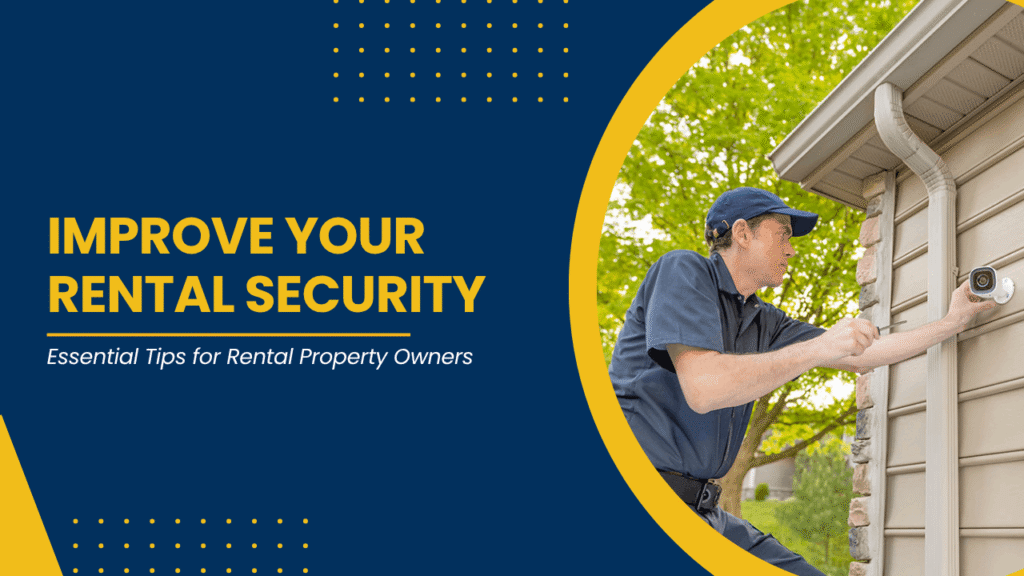
What does rental property security mean to you?
For some investors, it means protecting income, profitability, and the conditions and value of their asset. Others think about natural disasters and the potential for vandalism or theft at their rental property. There’s also the matter of tenant security. Are your residents safe in the home you’re providing?
Real estate investing comes with a lot of risk, and the more you limit and minimize that risk, the more profitable and secure your investment becomes. Your property is valuable. You need to protect it.
As local property management experts, we view security broadly. It’s not just about installing a good lock on the front door and updating an insurance policy. Rental security in California means:
- Protecting the physical property itself
- Ensuring tenant health and safety
- Maintaining strong financial and legal safeguards
- Screening tenants responsibly and consistently
- Documenting compliance and communication
- Preventing disputes before they arise
Managing a rental successfully here requires diligence, compliance knowledge, and proactive systems. As professional property managers, our goal is to help owners safeguard their investment, reduce risk, and maintain peace of mind. We have put together some essential strategies every California landlord should understand and implement to improve rental security in every sense of that phrase.
Quick Summary:
|
Understanding Rental Risk in California
California rental housing laws continue to evolve, and staying compliant is not always easy, especially for self-managing landlords who don’t have the capacity to stay up to date on the ever-evolving laws and requirements. If you’re not aware of the latest security deposit requirements or the just cause eviction laws, you can easily expose yourself to unnecessary liability and financial loss. There are other risks, too, like deferred maintenance or unlicensed contractors working on your property. Key risks include:
| Strong Tenant Protections
California has extensive fair-housing rules, and our state laws exceed the federal laws. Owners in this state also need to be aware of just-cause eviction protections, rent control statewide and locally, and detailed notice and habitability requirements. Non-compliance can lead to costly penalties or legal disputes. |
Extended Eviction Timelines
When a tenant stops paying rent or violates the lease, removing them can take months even when the owner is in the right. This is not great for the security of your rental property or your income. Preventive screening and lease clarity are essential. |
| Rising Repair and Turnover Costs
Delayed maintenance causes larger issues and increases renovation expenses. A secure rental is a well-maintained rental. You need a reliable set of vendors and service providers to keep your property maintained and your investment safe. |
Market and Legislative Uncertainty
Laws around rent increases, application processing, local ordinances, and eviction procedures continue to change. Owners must constantly stay informed. The market is shifting too, and it’s important to know how to position your investment if you want it to be secure. |
Reputation and Online Reviews

Let’s not forget the risks to reputation. A misunderstanding with a tenant can quickly reach social platforms and public complaint sites. Professional communication and documentation protect your reputation.
In this environment, a “security mindset” isn’t optional for property owners. It’s the foundation of successful property ownership.
Start With Strong Tenant Screening
A solid tenant screening system is one of the most important ways to protect your rental. California landlords must treat all applicants equally and use consistent standards. Cutting corners, especially because someone seems friendly or familiar, creates risk. Here are some of the best ways to focus on investment security while screening your prospective tenants.
- Follow Fair-Housing Laws
Never make screening decisions based on protected status, personal opinions, or subjective feelings. Create objective written criteria that apply to every applicant. This is not only a best practice, but also the legal expectation. You have to be consistent, and you have to document your entire process.
- Process Applications Fairly
New California laws require landlords to process applications in the order received when an application fee is collected. You’re now prohibited from skipping applicants unfairly. Accepting and screening applications one at a time is meant to invite transparency into the screening process and protect against discrimination claims. Keep your process secure and free from claims and investigations by establishing criteria, collecting a reasonable application fee, and accepting the first tenant who meets your criteria.
- Verify Thoroughly
Screening should include a consistent and objective look at the following:
| Income verification | Employment confirmation | Credit review |
| Rental history and references | Identity verification safeguards | Acceptance or denial letters |
Avoid shortcuts. Fraudulent applications are increasingly common. Strong verification protects your asset and keeps your investment secure.
- Consistent Documentation
Every screening decision should be documented. Make sure you can demonstrate when the application was received. Show proof of date and time. You also need to have your criteria in writing, so any prospective tenant knows what you’re looking for. Keep screening results accessible and have your approval or denial reasons documented and supported. Consistency protects you in case of a dispute or audit and demonstrates objective process.
A good screening system is your first and best defense against risk. It invites security and a systematic approach to leasing and management. Working with a professional property management team like ours ensures you’re lawfully placing a qualified tenant.
Lease Agreements Designed for Protection
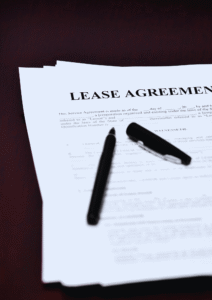 A lease is not just a rental form or random paperwork. It is your first line of legal protection and it’s the best way to offer security to owners, properties, and residents. Your lease should be clear, comprehensive, and aligned with California law. Some of the most foundational terms to include in any secure lease agreement include:
- Rent amount, due date, grace period, and late fees
- Payment method requirements
- Security deposit terms and move-in/move-out procedures
- Tenant maintenance responsibilities
- Rules regarding guests and unauthorized occupants
- Pet policies and service animal accommodation rules
- Smoking, noise, and nuisance expectations
- Renters insurance requirements
- Emergency contact information
Avoid using generic lease templates. California’s rules are specific, and leases should reflect current laws and disclosure obligations. A secure lease agreement is both compliant with California law and enforceable in California courts.
California-Specific Lease Needs
- AB 1482 / statewide rent cap and just-cause language (if applicable)
- Required disclosures (mold, bedbugs, pest control, flood risk, lead-based paint, etc.)
- Habitability compliance references
- Right-of-entry notice procedures
- Security deposit laws and inspection rights
A comprehensive, legally updated lease prevents confusion and strengthens your position if a dispute arises. If you’re not sure where to find a lease, contact us at Krystle Properties. This is something we can provide for more security and peace of mind.
Security Deposits Done Right
Security deposits are heavily regulated in California. Handling them correctly is essential for avoiding claims, penalties, and disputes. Keep your investment secure by knowing the rules.
| Maximum deposit limits (for most rental properties, it’s the equivalent of one month’s rent). | Strict timelines for return (21 days in most cases) |
| Required itemized statements and receipts for deductions. Photographs are also required to document property condition. | Pre-move-out inspection requirement when requested by the tenant (we think this is a great way to enhance property security). |
| Permissible deduction categories (damage, unpaid rent, cleaning, etc.). you have to know the difference between wear and tear and property damage |  |
Documentation is Critical
To justify deductions, you must document move-in condition with a written checklist as well as photos and videos, maintenance and repair records, and cleaning and professional invoices. Clear expectations and strong records reduce conflict and protect your funds.
Physical Protection and Tenant Safety
This is a big part of true rental security. Protecting your investment property or your portfolio goes well beyond finances. Security includes protecting the structure, systems, and the safety of the people living inside.
California landlords must meet strict habitability laws. Recent legislation has empowered local cities and counties to be stronger about enforcing those habitability laws. This means that every complaint made by a tenant will be taken seriously, even if you think it’s a nuisance and you’re not worried. Keep your properties habitable to keep them secure. And, beyond compliance, remember that thoughtful safety investments protect your asset and reduce liability.
Here are some important ways to invest in the physical security of your rental property and the safety of your residents.
- Routine Inspections
Scheduled property evaluations and maintenance walk-throughs, which must be conducted with proper notice, can help detect:
- Maintenance issues
- Unauthorized occupants or pets
- Lease violations
- Safety hazards
- Water intrusion or mold conditions
- Smoke or CO detector issues
Routine visits are not intrusive. They are preventive and professional. Make this something you discuss with tenants before they move in, so they know what to expect. And include language that references these periodic checks in your lease.
- Entry and Lock Security
Keep tenant safely inside their homes and keep those who do not belong on the outside. Consider:
- Secure deadbolts
- Re-keying between tenants (best practice and safety measure)
- Smart entry systems (code locks, access logs)
- Garage and gate access security
Secure entry is foundational to tenant safety and reducing break-ins. Have you invested in smart lock technology, which often includes keyless entry systems? Many experts believe that keypads and apps can be safer for tenants and your property.
- Lighting and Visibility
Well-lit exteriors reduce crime risk and create a welcoming property. Good lighting on porches, patios, and in common areas are not just about aesthetics. They’re also about security. Some of the things we recommend in the homes we manage are:
- Motion lights
- Walkway illumination
- Open sightlines (trim shrubs and trees)
- Secure parking areas
Good lighting improves both perception and reality of safety.
- Exterior and Structural Safety
For security purposes and tenant satisfaction and safety, make sure you are consistently monitoring and maintaining:
- Railings and steps
- Handrails and guardrails
- Pathway condition
- Trip-hazard elimination
- Gate and fencing integrity
- Proper drainage to avoid foundation and slip hazards
Small repairs today prevent serious liability tomorrow. Prioritize these things.
- Life-Safety Systems
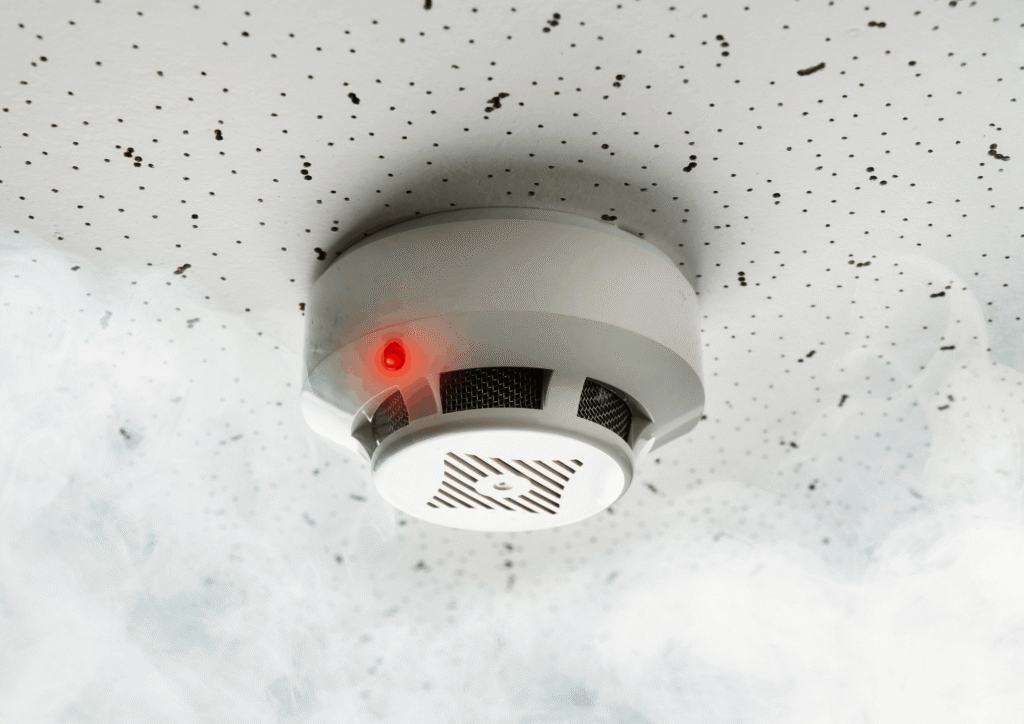
California requires functioning:
- Smoke detectors
- Carbon monoxide detectors
- Adequate heating systems
- Fire extinguishers in some multifamily settings
- Proper water heater strapping for earthquake safety
Test systems regularly and document the schedule that you’re keeping. If you need referrals for good vendors or providers, get in touch with us. We have excellent relationships in place.
- Plumbing and Leak Prevention
Water damage is one of the costliest threats to your property and your profitability. Water can also damage your tenant’s belongings, making their renter’s insurance policy just as important as your landlord policy. Avoid claims and issues by checking:
- Under-sink plumbing
- Water heater health
- Roof and gutter condition
- Window seals
- Signs of moisture intrusion
Mold prevention is both a safety and financial priority.
- Pest and Rodent Prevention
Regular pest treatments protect both habitability and building integrity.
|
Natural Disaster Preparedness California risks include earthquakes, wildfires, and flooding. There could also be droughts that make maintaining your property difficult. How can you keep your property secure? Consider secured water heaters, clear and defensible space in fire-prone areas, emergency shut-off valve awareness among your tenants, and an entire information packet you can provide to your residents when they move in, and update accordingly. |
A physically protected property is a safer, more secure investment.
Financial Security: Protecting Your Income
Your property is only as secure as your financial peace of mind. California investment properties are valuable, and owning real estate comes with a lot of opportunity for consistent income and long-term gains. How can you protect your financial security when it comes to your investment property?
- Insurance and Risk Coverage
Insurance feels expensive for many property owners right now, thanks to increased risks and some instability in the insurance markets. Things seem to be settling down, and no matter what the cost, you have to be sure you have adequate insurance for your investments. Owners should maintain proper insurance that includes:
- Landlord policy (not the same as homeowner’s insurance)
- Liability coverage
- Loss-of-rent coverage
- Earthquake coverage where appropriate
Encourage or require tenant renter’s insurance to protect belongings and reduce liability risk. Check in on your coverage annually. It’s also important to remember that inflation means the cost of repairs and replacements might be higher than what your current policy covers. A good insurance agent will contribute to your financial security. If you’re not already working with someone you trust, we can make an introduction to a great agent.
- Reliable Rent Collection Systems
How is your rent coming in, and are you tracking it appropriately? Secure systems matter. For the clients we work with, we’re able to provide:
- Online payment platforms
- Clear grace periods and late fees
- Written payment records
- Prompt communication for missed payments
Reliable systems reduce disputes and improve consistency. It keeps tenants accountable and your investment secure.
Managing Legal and Regulatory Compliance
California rental law changes frequently. Owners should stay current on:
- Statewide rent cap and just-cause rules (AB 1482)
- Local rent control ordinances where applicable
- Fair housing laws
- Required notices and disclosures
- Proper handling of maintenance requests
- Notice periods for entry
- Eviction procedures and restrictions
- City-specific rental registration or safety inspection programs
Compliance protects you from lawsuits and keeps your property legally secure.
While we’re talking about compliance and legal protection, let’s not forget the importance of documentation. Maintain records for:
- Leases and addenda
- Tenant communication
- Maintenance requests and repairs
- Inspection notes
- Notices served
- Application documentation
Clear records demonstrate compliance and protect against disputes.
How Professional Property Managers Improve Owner Security

What can we do to help you maintain security at your rental property?
Quite a bit, actually.
Many California rental owners discover that trying to handle everything alone is overwhelming. Professional property management adds crucial layers of security with updated lease agreements and compliance, thorough screening systems, routine inspections and safety checks, and timely maintenance with vetted contractors.
We have consistent rent collection systems, and we limit eviction risk. Our emergency response systems ensure your investment and your tenants are secure 24/7.
A professional property manager becomes an owner’s safety net, reducing stress, preventing mistakes, and protecting both the asset and the owner’s peace of mind.
Improving rental security in California requires a multi-layered approach. The most successful rental property owners treat security as an integrated system that covers income, tenant safety, physical protection, and asset management.
A secure rental is one that is well-managed, legally compliant, physically safe, and financially protected.
We can protect your investment and build long-term value through proactive and professional management. Please contact us at Krystle Properties. We lease, manage, and maintain rental homes throughout the greater Vallejo area and Solano County. Our team proudly serves nearby communities as well, including Benicia, Fairfield, Suisun City, American Canyon, Sacramento, San Ramon, Napa, Martinez, Crockett, Hercules, and Rodeo.
