




When was the last time you checked up on your roof and gutters?
Living in Northern California, especially in communities we serve like Benicia and American Canyon, means enjoying mild weather, beautiful landscapes, and a strong sense of community. But it also means your home’s exterior is exposed to a unique mix of seasonal weather patterns, from coastal fog and high winds to winter rains and occasional heat waves. Over time, these conditions can take a serious toll on two of the most critical parts of your home’s exterior: the roof and gutters.
Many homeowners don’t think about their roof or gutters until something goes wrong. There are leaks, water stains, overflowing gutters, or visible sagging. But by the time these issues appear, damage may already be widespread and costly to fix.
The good news?
With a basic understanding of how your roof and gutters work, and how to maintain and repair them, you can catch problems early, protect your investment, and avoid expensive surprises down the road.
If you’re renting out a home, the roof condition and the gutters are even more important. Not only are you trying to protect your investment, you’re also maintaining a home that’s habitable, and keeping tenants satisfied and paying rent.
So here we are, ready to tell you everything we know about roof repairs and gutter maintenance. Whether you’re dealing with aging shingles, clogged downspouts, or storm-related damage, we’ll walk you through everything you need to know to keep your roof and gutters in top shape year-round.
From common signs of wear to professional repair options and preventative maintenance tips, consider this your local go-to resource for protecting your home from the top down.
Let’s dive in and explore how to spot issues before they escalate, when to DIY and when to call in the pros, and how to ensure your roof and gutters are ready to handle everything Northern California weather throws their way.
Quick Overview:
|
How to Spot a Problem with Your Home’s Roof or Gutters
Your roof and gutters are your home’s first line of defense against the weather elements, protecting everything underneath from rain, wind, and debris. But unlike a leaky faucet or a broken window, problems with your roof or gutters can be harder to spot, until it’s too late.
Left unchecked, even small issues can lead to costly repairs, water damage, or structural problems.
As a homeowner, recognizing the early warning signs of roof or gutter trouble is essential. Regular inspections (even from the ground) can help you catch problems before they turn into major headaches.
As professional property managers who have handled a good number of roof repairs and gutter cleanings, here are 12 telltale signs that your roof or gutters may need attention.
| Missing or Damaged Shingles
One of the most obvious signs of roof trouble is missing, curling, or cracked shingles. High winds, UV exposure, and age can all cause shingles to deteriorate. If you spot bare patches or loose pieces after a storm, it’s a red flag that water could soon find its way in. |
Granules in the Gutters or Downspouts
As asphalt shingles age, they shed small granules that resemble coarse sand. If you notice granules collecting in your gutters or washing out of your downspouts, it’s a sign your shingles are nearing the end of their lifespan and may be losing their ability to protect your home from moisture. |
Dark Streaks or Stains on the Roof
Black streaks or dark patches on your roof may look like dirt, but they’re often caused by algae or mold growth. While this can be a cosmetic issue at first, it can also signal poor drainage or excessive moisture, conditions that can weaken roofing materials over time. |
| Sagging Roof Lines
Your roof should have a straight, even surface. If you notice areas where the roof line appears to dip or sag, it could indicate structural issues such as water damage, rotting supports, or failing decking beneath the shingles. This requires immediate attention from a professional. |
Interior Water Stains or Ceiling Spots
Discoloration on your ceilings or walls, especially brown or yellowish spots, often indicates a roof leak. Even small stains could mean water is seeping through your roof and into the attic, causing damage you can’t see from the outside. |
Peeling Paint or Bubbling on Interior Walls
Moisture from a roof leak can travel down into your walls. If paint is starting to bubble, peel, or feel soft in certain areas, it could be the result of water infiltration from above. |
| Dripping Sounds or Musty Odors in the Attic
If you hear dripping during a rainstorm or notice a musty smell when you go into the attic, it’s a strong sign of hidden moisture. Leaks often show up in the attic long before they’re visible elsewhere in the home. |
Clogged or Overflowing Gutters
Gutters that consistently overflow during rainfall may be clogged with leaves, debris, or shingle granules. This can cause water to back up under your shingles or spill over near your foundation, leading to potential roof and structural issues. |
Sagging or Detached Gutters
Gutters that sag away from the roofline, appear uneven, or pull away from the fascia boards are not functioning properly. This could be due to water weight, rusted fasteners, or wood rot where the gutter attaches, all of which can lead to water damage on the roof or siding. |
| Water Pooling Near the Foundation
If water seems to collect around your home’s base after it rains, your gutters and downspouts may not be channeling water far enough away. While this might seem like a drainage problem, it often points to gutter system issues that need to be corrected to protect your roof and foundation alike. |
Ice Dams or Excessive Icicles in Winter
In colder climates, ice dams can form when warm air in the attic melts snow on the roof, which then refreezes at the eaves. This traps water on the roof, which can seep under shingles. While Benicia and American Canyon aren’t known for harsh winters, cold snaps can occasionally produce these conditions, especially in shaded areas. |
Pest Infestations Around the Roofline
Birds, squirrels, insects, and rodents often enter homes through gaps or damaged areas in the roof or fascia. If you’re noticing more pests near the roofline, they may have found a weak spot, one that could also let in water or cold air. |
If you notice any of the above warning signs, it’s time to call in a professional roofer or gutter specialist for a closer look. Catching these issues early could save you thousands of dollars and keep your home safe, dry, and secure for years to come.
How to Maintain and Repair a Roof and Gutters
 A good-looking roof is a matter of curb appeal. A well-functioning roof and gutters are also essential for protecting your investment and preventing costly damage.
These are our practical repair tips, our preventative maintenance best practices, and our take on what to look for during inspections. The goal is to extend the life of your roofing and gutter systems, whether you own a single-family home, rental property, or multi-unit complex in California.
|
Why Does Maintenance Like This Matter? A well-maintained roof keeps out rain, heat, wind, and pests, while clean, functioning gutters direct water away from the structure to prevent erosion, foundation damage, and mold. Even minor issues like loose shingles or clogged gutters can quickly escalate into expensive problems if left unchecked. Routine maintenance and timely repairs are the keys to keeping your home safe, dry, and structurally sound year-round. |
Preventative Roof Maintenance Tips
Here’s how to get ahead of any potential roof and gutter problems.
- Schedule Regular Roof Inspections
Inspect your roof at least twice a year, ideally in the spring and fall, and after major weather events. Look for missing, cracked, or curling shingles, exposed nails or flashing damage, soft spots that may indicate moisture damage, and moss, algae, or lichen growth. For multi-story homes or properties with steep roofs, it’s safer to hire a professional for inspections.
- Clean Off Debris
Remove leaves, branches, and other debris that accumulate on the roof, especially in valleys and near vents or chimneys. Organic material can hold moisture against the roof surface and promote rot. Use a roof rake or soft broom. Never pressure wash your roof, as it can damage shingles and protective coatings.
- Trim Overhanging Branches
Trees that hang over your roof can drop leaves and branches, increase the risk of impact damage during storms, and provide a highway for pests. Trim back any limbs that hang within 6–10 feet of the roof.
- Maintain Flashing and Sealant
Check the flashing around chimneys, vents, and skylights. Over time, sealant can crack or wear down, allowing water to seep underneath. Reapply roofing caulk or replace damaged flashing to keep these areas watertight.
Roof Repair Tips

What about when you do need to make a repair? When roof damage occurs, timely repairs are essential. Here are a few common repair strategies
- Replace Missing or Damaged Shingles
If a shingle has blown off or is cracked, it can be replaced without redoing the entire roof. Gently lift the surrounding shingles, remove nails, slide in the replacement, and secure with roofing nails and sealant.
- Fix Small Leaks Promptly
Leaks often start small. If you notice water stains or moisture in the attic, trace the source and patch it with roofing tape or sealant. Larger or persistent leaks should be handled by a licensed roofing contractor.
- Repair Roof Vents and Flashing
Bent or rusted vents and damaged flashing are common sources of leaks. These components can often be replaced without a full roof replacement, making them relatively affordable fixes.
Gutter Maintenance Tips
Gutters are just as important as the roof when it comes to water management and protecting your property.
- Clean Gutters Twice a Year
Clear out leaves, twigs, and debris at least every six months, and more often if you live near trees. Clogged gutters can overflow and lead to water backing up under your roof shingles or pooling near your foundation.
Use gloves and a scoop, or consider investing in a gutter cleaning service or gutter vacuum system if you have a multi-story property.
- Install Gutter Guards
To reduce how often you need to clean your gutters, consider installing gutter guards or screens. These prevent large debris from entering the gutter while allowing water to flow freely.
- Check for Sagging or Loose Gutters
Over time, gutters can pull away from the fascia or sag under the weight of debris. Tighten brackets or replace damaged sections to ensure proper drainage.
- Inspect Downspouts
Make sure downspouts are securely attached and direct water at least 4–6 feet away from the foundation. If necessary, add downspout extenders or splash blocks to prevent erosion.
Gutter Repair Tips
Here’s what to do when you find yourself with a damaged or compromised gutter.
- Seal Small Leaks with waterproof gutter sealant or silicone caulk. Apply it to joints or seams that are dripping during rain.
- Replace Damaged Sections where rust or dents are affecting function.
- Re-secure Loose Gutters with new brackets or hangers. Be sure they maintain a gentle slope toward the downspouts for proper drainage.
|
When to Call in the Pros
While many roof and gutter maintenance tasks can be DIY-friendly, some jobs are best left to professionals, especially if your roof is steep, high, or difficult to access. You’ll need help if you suspect internal water damage or mold, and if there are repairs involving complex flashing, vent work, or structural issues. Renting out the home or planning to sell the property? Get a professional so you can ensure compliance with building codes and habitability standards. |

Finding the Right Roofing Professional
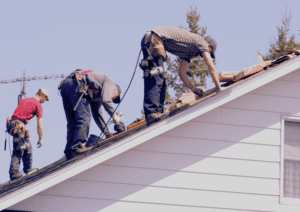 Licensed roofing and gutter contractors not only have the right tools and training, but they also carry insurance and warranties to protect you if something goes wrong. Make sure you know you’re working with the right roofing professional.
Your roofing partner is essential for protecting your home from water damage, mold, and costly structural issues. Whether it’s for a routine inspection, repairs, or a full replacement, choosing the right roofing contractor is key to getting quality work done safely and legally, especially in California, where building codes and licensing requirements are strict.
Here’s how to find the right roofing professional for your home:
| Verify Licensing and Insurance
In California, roofing contractors must hold a valid C-39 roofing license issued by the Contractors State License Board (CSLB). Always check a contractor’s license status online at the CSLB website. Additionally, ensure the roofer carries general liability insurance and workers’ compensation. This protects you from liability if an accident occurs on your property. |
Look for Local Experience
Choose a roofer with experience working in your specific region. Professionals who are familiar with California’s diverse climates; coastal fog, heat waves, or winter storms, will better understand which materials and techniques are best for your home. Local contractors are also more likely to be familiar with area-specific building codes and permit requirements. |
| Check Reviews and References
Read online reviews on platforms like Yelp, Google, or Angi, and ask for references from recent clients. Reputable contractors should be able to provide examples of past work and customer testimonials. Look for consistently positive feedback and transparency about timelines, pricing, and communication. |
Get Multiple Estimates
Always get at least two or three estimates before hiring a roofing contractor. Be wary of bids that are significantly lower than others; it could be a sign of cutting corners or using subpar materials. A good contractor will offer a clear, itemized quote and be willing to answer all your questions. |
Hiring the right roofer can feel overwhelming, but you don’t have to do it alone. Working with a professional property manager like Krystle Properties gives you access to a network of trusted, licensed, and insured vendors, including experienced roofing professionals. With a property manager handling the coordination, you can rest easy knowing the job will be done right. The work will be done on time, on budget, and up to code.
We have provided some useful advice, but it’s also general advice. Your home is different and it has unique needs. So let’s have a look at it so we can provide some specific and targeted advice and ideas. Please contact us at Krystle Properties. We lease, manage, and maintain rental homes in Benicia, and we also work in surrounding areas such as Vallejo, American Canyon, and Fairfield.
