


One of the most important parts of any rental experience is the move-in. When a new tenant is moving into a property, it’s essentially the launch of the lease term. Good property owners spend time establishing relationships, sharing expectations, and making sure that everything is in place well before the move-in date. However, the moment that the tenant takes possession of your property, residency is official. The lease is in force.
Moving can be stressful for tenants. For owners, it can be an excellent time to establish yourself as a resource and point of support.
We have spent a lot of time managing the move-in process for owners, welcoming tenants to their new home and ensuring that everything is ready for occupancy. We’re sharing our checklist for a smooth and stress-free move-in experience.
It’s also important to understand that the laws have changed recently, making your documentation of move-in property condition especially important. We’ll talk about that, too.
Tenant retention begins at move-in. As professional property managers we’re pretty good at balancing tenant service with tenant accountability. The move-in process is an excellent example of that. We’re doing everything we can to make moving in easy, and we also make sure that tenants know what their responsibilities are at the point of move-in and throughout the lease term.
When tenants move in, they’re evaluating the kind of relationship they’ll have with you throughout their tenancy. A smooth move-in instills confidence that if something goes wrong, whether it’s a leaky faucet or a lost key, they won’t be ignored or left waiting for days. It shows that you’re organized, responsive, and committed to creating a safe, stable living environment.
Before Move-In: Sign the Lease and Collect the Move-In Funds

Before handing over the keys to a new tenant, two essential steps must be completed: collecting the move-in funds and reviewing the lease agreement expectations. These final pre-move-in tasks may feel like administrative irritations, but they’re more than that. If you don’t have the time or the systems to complete them effectively a professional property management partner is essential. We have a process in place already. These points are essential in protecting your investment, setting clear boundaries, and establishing a healthy landlord-tenant relationship from the start.
| Step 1: Collecting Move-In Funds
The move-in funds typically include the first month’s rent, a security deposit, and possibly other upfront charges such as pet fees. There are laws in place that limit what can be collected here, and in most cases it’s the equivalent of one month’s rent. There has to be a good reason or a specific exception that leads to a California landlord collecting more than the first month’s rent and the security deposit that’s equivalent to the first month’s rent. Timing is important here. Always collect move-in funds before giving the tenant possession of the property. This means funds must be cleared (not just received) before handing over keys or allowing access. We generally request payment at least 48 to 72 hours before the move-in date to ensure all payments clear on time. Accept secure forms of payment. Avoid accepting cash. Certified funds such as money orders, cashier’s checks, or online payments through a secure tenant portal are safer and easier to track. It’s a huge benefit if your property management partner has the property management technology and software systems that include a tenant portal. You can streamline this step with digital receipts and confirmations, and you trust that your property manager is handling the deposit and the record keeping. Itemize everything. Provide a breakdown of all charges and deposits collected. This gives the tenant clarity and demonstrates professionalism. Transparency here can prevent misunderstandings and build trust. |
Step 2: Reviewing Lease Agreement Expectations
Even if the lease was signed days or weeks earlier, reviewing key terms in person (or over a scheduled call) helps ensure the tenant fully understands their responsibilities. It’s also a great opportunity to reinforce important policies and set expectations. Highlight critical lease terms by going over the lease in plain language, emphasizing essential items such as:
This review allows you to reinforce your rules, and it also helps tenants feel informed and prepared. Many disputes arise from misunderstandings, not intention, so communication upfront can prevent problems later. A tenant who fully understands what’s expected is more likely to follow the rules, pay rent on time, and care for the property. Meanwhile, you, as the landlord, gain peace of mind knowing you’ve taken steps to minimize risk and build a respectful working relationship. |
Document Property Condition Before Tenants Move In
 When it comes to managing rental properties, documentation is one of a landlord’s most important tools, and property documentation is especially essential during the move-in process. Good documentation and real-time photos have always been a best practice. Now, it’s a legal requirement.
A clear and thorough record of the property’s state protects your investment, reduces disputes, and helps ensure compliance with California’s increasingly specific laws regarding security deposits and tenant rights.
At the end of 2024, California introduced new legislation that raises the bar on documentation standards for landlords. These laws now require photographic evidence of the condition of the rental property both before a tenant moves in and after they move out if any deductions from the security deposit are to be made. We have always been on point when it comes to documentation, so this requirement is already woven into our process at Krystle Properties. Make sure it’s part of your process, too.
Move-in documentation serves several key purposes. Here’s why documenting your property’s condition is essential and how to comply with California’s new requirements.
| Establishing a Baseline A clear and dated record of your property’s condition before a tenant takes possession creates a baseline for comparison at move-out. This makes it easier to determine what qualifies as normal wear and tear versus tenant-caused damage. You may not know it now, but the careful move-in documentation can help you defend against a security deposit dispute later. |
Protecting the Security Deposit Process
Security deposits can be a common source of conflict between landlords and tenants. With proper documentation, you can confidently defend any deductions by showing the “before” and “after” condition of the unit. This transparency also builds trust and reduces the risk of legal disputes. A tenant claiming that a broken window or missing tile “looked like that when they moved in” will not get very far when you have photos that say otherwise. |
| Demonstrates Professionalism Providing a tenant with a written and visual record of the property’s condition sends the message that you take your role seriously. It shows you’re organized, thorough, and fair, which are qualities that most tenants respect and appreciate, especially if they’ve endured terrible landlord experiences in the past. |
Supports Legal Compliance California law provides strong protections for tenants, especially when it comes to security deposits. Documenting the condition of the property can help you stay on the right side of state and local landlord-tenant laws, minimizing legal exposure |
New California Legal Requirements
Under California Civil Code Section 1950.5, landlords have long been required to return a tenant’s security deposit within 21 days of move-out and provide an itemized list of deductions. What’s new since the 2024 law is that if a landlord deducts money from the deposit for repairs or cleaning, they must now include before-and-after photographs showing the specific damage or condition justifying the charge.
This means that your move-in documentation must be detailed and visual. Text-only inspection forms are no longer enough. Landlords will want to:
- Take high-quality, date-stamped photographs of each room, fixture, appliance, floor, wall, and ceiling. We tend to take more photos than are necessary, just in case.
- Include close-ups of any pre-existing damage or wear.
- Store the images securely (preferably in a cloud-based system) and keep them for the full duration of the lease and beyond.
We’re creating a comprehensive move-out guide, too, and we’ll talk about this there as well because at move-out, you’ll need to take a new set of photos showing the condition of the unit after the tenant has vacated. These side-by-side comparisons are your strongest defense if a tenant challenges your deductions.
Best Practices for Move-In Condition Reports
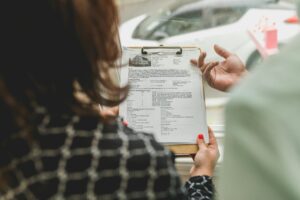
To stay compliant and organized, follow these best practices when documenting the condition of your property:
- Use a Standardized Checklist
Create a room-by-room inspection form that includes space for written notes and photo references. You can find templates online or use property management software with built-in inspection tools.
- Conduct a Joint Walkthrough
Invite the tenant to join you for the move-in inspection. This allows both parties to agree on the current condition of the property and discuss any concerns upfront. Have the tenant sign the checklist and provide them with a copy. If you’re not able to inspect the property together, leave the condition form with your tenants for a day or two after they move in and get settled. This is an opportunity for them to raise any flags or notify you of any problems that they see with the condition of the property.
- Be Thorough and Consistent
Don’t just take a few general shots. We recommend that you get detailed. Open drawers and cabinets, photograph inside appliances, and document minor flaws like scuffed baseboards or chipped tiles. The more comprehensive your records, the better.
- Label and Organize Photos
Hot tip: Rename image files or use software that automatically links photos to specific areas or rooms. For example, “kitchen_sink_before.jpg” and “kitchen_sink_after.jpg” are easier to reference than a string of generic file names.
- Follow Up with a Summary
Send your tenant a summary email or document after the move-in inspection that confirms what was noted and what was agreed upon. This creates a clear paper trail and reinforces your professional approach. If you’re working with Krystle Properties for the leasing and management of your Solano County investment property, you can expect to receive our detailed move-in inspection report as well.
Why This Matters More Than EverCalifornia’s new photo documentation requirements reflect a broader trend toward tenant protections and transparency in landlord-tenant relationships. As a rental property owner, failing to document condition properly not only risks your ability to retain a portion of the security deposit. It could expose you to costly legal claims, penalties, or even small claims court. |
Provide Tenants with a Property Guide
Offer a comprehensive property guide at move-in.
Whether delivered digitally or in printed form, a well-organized property guide equips your tenants with everything they need to understand how the home works, follow the rules, and feel welcomed. It’s a simple gesture that can reduce confusion, prevent maintenance issues, and create a harmonious rental experience from the start.
|
Sets the Tone with a Warm Welcome Moving into a new home can be both exciting and stressful. A personalized, thoughtful welcome note included in the property guide helps tenants feel immediately at ease. Even a brief message expressing that you’re happy to have them and available if needed can go a long way in creating a positive impression. It shows tenants that you care about their comfort and see them as more than just a name on a lease. |
Reinforces Lease Expectations
While tenants should already have a copy of their signed lease, including it in the property guide provides quick and easy reference. It also presents an opportunity to highlight key lease terms, such as rent due dates and payment methods, pet policies, quiet hours or community rules, and maintenance responsibilities. This reduces misunderstandings and gives tenants a resource to turn to before they call with basic questions, saving time for both parties. |
| Reduces Maintenance Requests and Property Damage
Many tenant maintenance requests are preventable when renters know how to properly operate the appliances and systems in their home. A good property guide can include:
Providing this information helps tenants avoid common issues that could lead to unnecessary repairs or long-term damage. |
Clarifies Trash and Recycling Procedures
One of the most frequently overlooked but important parts of move-in instructions is trash management. Let tenants know:
When this process is clear, it prevents complaints from neighbors, avoids code violations, and keeps the property looking well-maintained. |
| Outlines Emergency and Contact Information
In the event of a plumbing emergency, electrical issue, or lockout, tenants need to know what to do and who to contact. The property guide should include emergency maintenance procedures, after-hours contact numbers, locations of water shut-off valves or fire extinguishers, and non-emergency numbers for local services (police, fire, utilities). Being prepared increases tenant safety and shows that you’ve thought ahead. |
 |
A property guide might seem like a small extra, but it delivers big benefits. It enhances tenant satisfaction, reduces unnecessary communication, protects your property, and sets a professional tone for the lease period. By offering helpful information upfront, along with a warm welcome, you encourage tenants to treat your property like home and build a more cooperative relationship from day one.
What Do Tenants Want from a Move-In Process?
Tenants want clarity and certainty when moving into a new rental home. That begins with transparent communication around lease terms, rent payment processes, utility setup, move-in dates, and any access instructions.
This may seem obvious, but a freshly cleaned and fully functional rental is an expectation that all tenants have. All appliances should be in working order, light bulbs replaced, and any previous damage repaired. A clean, well-maintained unit tells tenants that the property is cared for and that they can expect the same standard of upkeep throughout the lease. It also reduces the likelihood of early complaints or requests, setting everyone off on the right foot.
Tenants want a streamlined process that includes easy digital signing of the lease, clear payment instructions, and flexible key pickup options reduces friction and lowers stress. Whenever possible, offer digital convenience, such as online rent payments or maintenance requests, to meet modern tenant expectations.
This is the checklist that gets us started any time we have a new tenant moving into one of the properties we manage. There will be nuances and exceptions every time, depending on the tenant and the property. Some rental homes need additional information shared with tenants, especially if they’re in an HOA. Moving in one tenant is different from moving in six roommates. Have a consistent process in place but be flexible so you can meet the unique needs of your tenant and your property.
We can help make your move-in an easy and well-documented process. Please contact us at Krystle Properties. We lease, manage, and maintain rental homes throughout the Greater Vallejo Area, including Benicia, Fairfield, American Canyon, Napa, and many other surrounding communities.
